Magazine
How to organize the inside of the refrigerator without wasting food
An intelligent layout preserves food better, saves space, and reduces waste in everyday life.

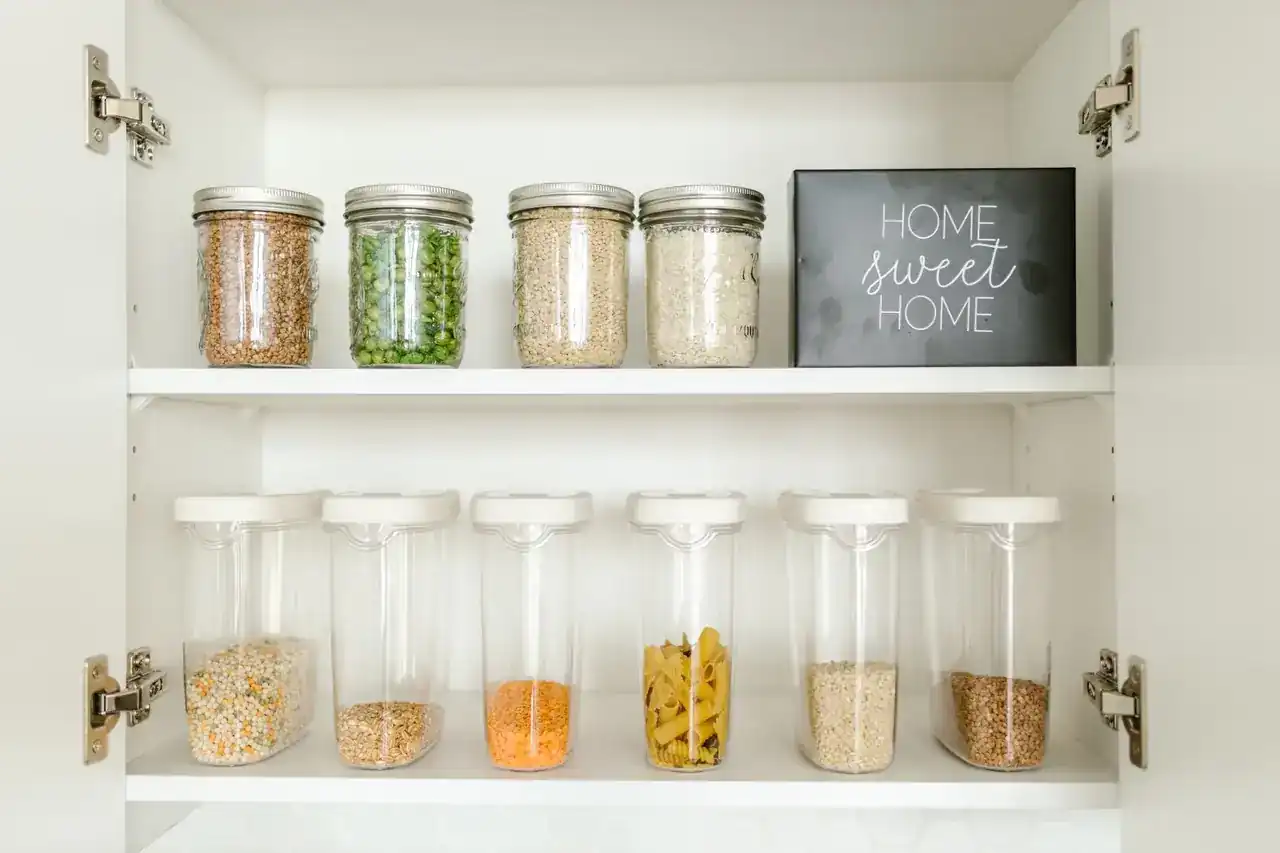
The interior organization of the fridge makes the difference between a grocery shop that lasts all week and one that spoils too soon. The key is to respect the temperature of each zone, separate foods by risk, and prioritize what expires first. A tidy interior not only makes it easier to find each item at a glance; it also reduces cross-contamination, mixed odors, and the feeling that there is never enough room, even when the appliance is half empty.
If you have a problem with your fridge, you can use our free error code finder. From there, you can identify and solve all errors easily and effectively.
The logic of a well-distributed refrigerator
Inside the fridge, not all shelves work the same way. The top part is usually less cold, the middle zone maintains an intermediate temperature, and the bottom concentrates the greatest cold in most domestic models. The door, on the other hand, suffers more temperature changes every time it is opened, so it is best reserved for more stable products. Understanding this invisible geometry is the first step to organizing with purpose instead of by habit.
Practice beats habit. Many people place food wherever they find space, but that method harms preservation and multiplies the chaos. An open yogurt behind a bottle, a steak unprotected next to a tray of leftovers, or a sauce forgotten in the corner end up creating the everyday picture of waste. Organizing by zones prevents that funnel of forgotten products and makes it easier to use up what has a shorter shelf life first.
Frequency of use also matters. What is used daily should be kept closer at hand, ideally at the front of the shelf or at a comfortable eye level. What needs more cold or requires more care, such as raw meat and fish, should stay lower down and well separated. This is not an aesthetic rule, but a simple way to eat better, throw away less, and keep the inside of the fridge clean for longer.
What goes in each zone and why
The top shelf is a good place for cooked foods, well-sealed leftovers, drinks that do not require extreme cold, and products that do not risk contaminating others. Ready-to-eat foods should remain visible, because they are the first ones you should use up. Open jars and some dairy products also fit here, as long as they are properly closed and do not leak. The idea is for the eye to find them effortlessly and for them not to disappear behind taller containers.
In the middle zone, yogurts, cheeses, cured meats, prepared meals, and frequently used products usually coexist. It is a comfortable and relatively stable height, useful for foods that need continuous cold but not the coldest part of the appliance. When grouped by type, the kitchen gains visual order and consumption becomes more intuitive. A well-organized middle shelf works like a small household storage area, almost like a refrigerated pantry.
The lower part is the most delicate and the most important for food safety. Raw meat and fish should go there, always in closed containers or on trays that prevent their juices from dripping onto other foods. If the fridge has a 0-degree drawer, that space is especially useful for very perishable fresh products. That extra layer of cold helps extend preservation without sacrificing quality, texture, or smell.
The lower drawers are usually reserved for fruit and vegetables, although it is worth remembering that not all of them need the fridge. Lettuce, spinach, carrots, or strawberries appreciate the cold, humid environment, but tomatoes, potatoes, garlic, onions, and some tubers keep better outside. The drawer is not a free-for-all box; it is a zone designed for plant-based products sensitive to dehydration and temperature changes.
The door deserves its own criteria. It is the area most exposed to temperature swings and is therefore reserved for butter, sauces, jams, already opened preserves, and drinks that tolerate those fluctuations better. Eggs can go there if the model includes an egg tray and if the household’s use makes it practical, although many experts prefer to place them in a more stable interior zone. The door is convenient, but it is not the best ally of fragile products.
How to keep shopping from becoming a disaster
Internal organization does not begin when you put the groceries away, but when you take them out of the bag or cart. It is a good idea to check dates, separate what needs to go in first, and leave visible what expires sooner. That simple gesture greatly reduces waste, because it turns the fridge into a logical sequence instead of a drawer of surprises. What goes in first is not always what should go to the back; the urgent items should have priority in sight and at hand.
An effective way to think about the inside of the fridge is to imagine it as a small household rotation system. In front, what expires first; behind, what lasts longer. On the upper shelves, lighter products and ready-to-eat items; on the lower ones, raw and sensitive foods. That logic avoids the classic problem of the forgotten tomato, the sauce that appears dried out, and the cheese that hardens until it looks like a piece of marble. A well-organized fridge works in favor of your wallet, because each food goes through its full cycle before spoiling.
Using transparent containers also helps. Glass, for example, lets you see the contents without opening lids and handles temperature changes well when used correctly. Airtight containers also protect against odors and spills. A cooked meal inside a closed container takes up less mental space than an improvised tray, because it is identified and ready to use. In practice, that visual order prevents buying too much and repeating products that were already at home.
Containers do more than organize; they also preserve. Cut cheese, washed vegetables, or leftover rice last longer if stored in the right container. Even in homes where the fridge seems small, the sense of space improves when everything has its own container. The interior stops being a jumble of uneven shapes and starts to behave like a clear, almost silent system.
The cleaning step that makes everything work better
There is no solid organization if the fridge is dirty or full of dried residue in the corners. Before putting anything back, it is a good idea to empty, inspect, and clean it. That task reveals stains, spilled liquids, and products that should no longer be taking up space. Deep cleaning is part of order, not a separate chore. Without it, any shelf arrangement is compromised from the start.
The process works best if it is done calmly and with everything out. You can remove drawers and removable shelves, wash them with warm water and soap, and dry them very well before putting them back. With glass pieces, sudden temperature changes can cause problems, so it is best to let them come to room temperature before washing them. The interior should also be dried completely to avoid accumulated moisture, bad smells, and drops that later end up at the bottom.
That emptying moment offers another advantage: it lets you see the fridge as a layout, not as a closed box. Suddenly you can tell whether there is real lack of space or whether the problem was buildup, whether products are badly distributed, or whether they were simply stored without criteria. Many fridges are not full, they are badly arranged. That difference completely changes the daily experience.
What foods should be kept out
Not everything needs cold. Some products withstand room temperature better and, in fact, preserve their texture and flavor better outside the fridge. Potatoes, dry onions, garlic, and sweet potatoes usually prefer a cool, dry, dark place. Honey also tends to keep better in the pantry, because cold makes it unnecessarily thick. Putting in the fridge what does not need it can make it worse instead of better.
Sliced bread, chocolate, and certain tomatoes lose quality if chilled unnecessarily. In the case of chocolate, cold can alter its shine and flavor; in bread, moisture changes the crumb; in tomatoes, the fridge dulls part of their aroma. They are small details, but very noticeable at the table. Preserving well also means not chilling by reflex.
This does not mean rigid rules forever, but rather a basic criterion. In summer or in very warm homes, some products gain stability if they are refrigerated temporarily. Even so, the general logic remains the same: cold for perishables, pantry for stable items. That clear boundary helps keep the fridge from becoming a catch-all storage space where everything ends up mixed together.
The door, drawers, and other repeated mistakes
One of the most common mistakes is placing milk, eggs, or very sensitive bottles in the door for sheer convenience. It works for a few hours, but in the long run it is not the best location if the model is opened many times a day. Another common error is putting in hot food, which raises the internal temperature and forces the appliance to work harder. The fridge preserves better when it receives food that has already cooled down, never freshly cooked.
It is also common to stack things too high. A fridge packed to the brim makes cold air circulation difficult and turns some areas into warm corners. Air needs to move in order to do its job; if it does not circulate, uncomfortable temperature differences appear between the front and the back. That is why it is advisable to leave some space between containers and not push everything to the back. Less overcrowding usually means better preservation.
Another unhelpful habit is storing products without a mental label. Opening, closing, and reopening similar jars ends up creating confusion. In practice, it is best to group by use and date, not just by size. A tray with leftovers, another with dairy, another with protected raw foods, and another with sauces usually offers more clarity than an improvised layout. Useful order always beats apparent order.
What changes in a small or very full fridge
In a small fridge, every centimeter counts, but that is no reason to pack it without a method. Less space requires more discipline, not more improvisation. The best strategy is usually to reduce the number of open containers, prioritize stackable ones, and avoid accumulating redundant products. A small fridge organized with precision can perform better than a large one used poorly.
When space is limited, the height of the container matters as much as its contents. Low, rectangular containers make better use of shelves than tall, uneven jars. It also helps to store food in small, homogeneous groups, because then you can move one area without disturbing the rest. Visual regularity simplifies everyday life, especially in busy kitchens.
In larger models, the challenge changes: it is no longer about fitting everything in, but about not losing anything in the back. That is where organizers, pull-out trays, and dividers come into play, making stored items easier to see. A large fridge without a system can generate more waste than a small one, precisely because it offers hiding places. The more volume there is, the more important the discipline of internal distribution becomes.
A household system that shows up in the routine
The interior organization of the fridge is not an obsession with cleanliness or a matter of home aesthetics. It is a concrete way to protect food, reduce repeat purchases, and save time every time the door is opened. It also softens a very familiar daily scene: looking inside for several seconds, closing it, and opening it again hoping the product will magically appear. A coherent layout removes that small daily friction.
When each zone serves a function, the kitchen seems to breathe better. Food lasts longer, leftovers get used, vegetables are recognized at a glance, and raw items do not compete with anything. It is a simple adjustment, but with chain effects: less smell, less badly distributed moisture, fewer forgotten items, and less food ending up in the trash. Organizing the inside of the fridge is a practical decision with real impact.
In the end, the best criterion is the one that combines safety, visibility, and frequency of use. If a fridge is organized this way, shopping goes in and out with an almost automatic logic. There is no need to turn it into a display case or a laboratory. It is enough to understand that each food has its place and that place depends not on chance, but on cold, hygiene, and well-honed habit. That balance is what keeps the fridge useful, clean, and quietly efficient.
Este artículo contiene enlaces de afiliado: si compras a través de ellos, se genera una pequeña comisión sin coste adicional para ti. Más información.


Balay hob error: causes and safe solutions

E18 error in Balay washing machine: drain causes and fix

Balay washing machine F4 error: how to restore drainage

Error in a 2013 Balay A++ refrigerator: causes and fixes

Balay induction hob error 22: how to fix it

E17 error in the Balay 3TS60107 washer: causes and fix

Balay washing machine E93 error: causes and safe solution
E9 error on a Balay induction hob: causes and solution
E9 error on a Balay induction hob: causes and solution

Balay E9 error on a freezer: causes and solution

 Balay6 days ago
E05-32 error on a Balay oven: causes and safe solution
- Washing machine6 days ago
Hotpoint washing machine F09 error: what it means and what to do
- Balay5 days ago
E09 error in Balay dishwasher: causes and safe solution
- Dishwasher5 days ago
E15 error on Balay dishwasher: do not tilt it
- Dishwasher5 days ago
E09 error in Balay dishwashers: causes and safe solution
- Balay5 days ago
Balay washing machine E12 error: causes and safe solution
- Dishwasher4 days ago
Balay dishwasher E15 error: warranty coverage and solution
- Balay5 days ago
E09 error in Balay dishwasher 3VS503IA: causes and fix
- Dishwasher4 days ago
Balay dishwasher E16 error: causes and safe solution
- Balay6 days ago
E0 error on a Balay induction hob: causes and fixes
- Dishwasher5 days ago
E11 error in Balay dishwashers: causes and solutions
- Balay4 days ago
Balay washing machine E2 error: causes and safe solutions