Fridge
How to keep your fridge in perfect condition without overspending
Simple habits to extend the lifespan of the fridge, use less electricity, and prevent common breakdowns.

A refrigerator works tirelessly, 24 hours a day, and its health depends less on luck than on a discreet but steady routine. Internal cleaning, rear ventilation, the condition of the seals, and the correct temperature make the difference between a unit that preserves food well and one that starts consuming more, making noise or cooling unevenly. Keeping it in good condition does not require major maneuvers, but it does require attention to details that often go unnoticed until a problem appears.
If you have a problem with your refrigerator, you can use our free error code finder. From there you can find out and fix all errors easily and effectively.
The correct temperature supports performance and food safety
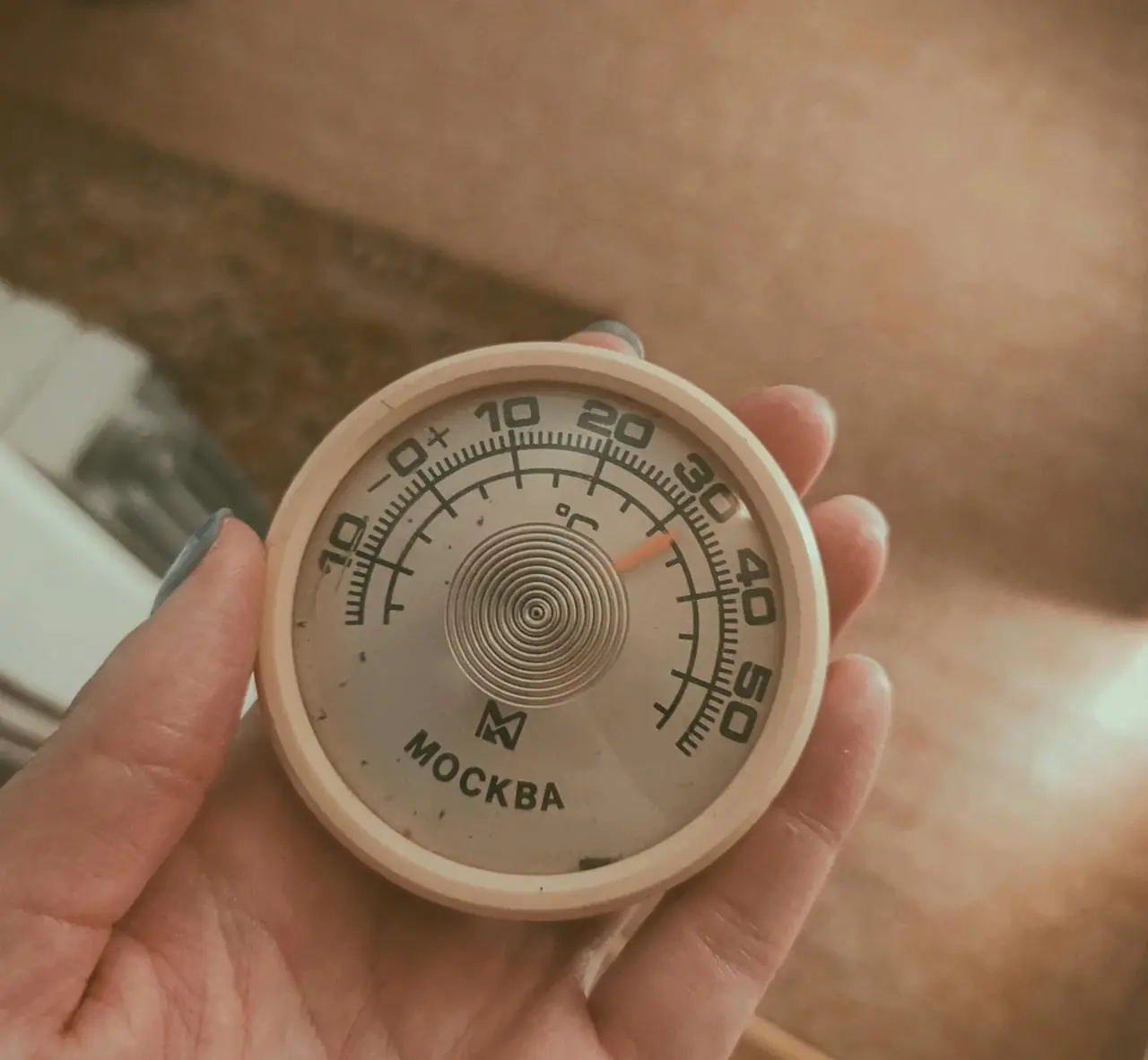
The first indicator of a well-maintained refrigerator is not the shine of its shelves, but the internal temperature. The recommended range is to keep the refrigeration compartment between 1 and 4 °C, with the safest point around 4 °C, while the freezer should operate at -18 °C. That margin helps slow bacterial growth, better preserves the texture of food, and prevents the motor from having to compensate for heat spikes with unnecessary effort.
A stable reading is worth more than a momentary figure. Frequent door openings, freshly cooked food, or a poorly closed door alter the internal balance like a draft seeping into a closed room. That is why it is advisable to check the temperature with an independent thermometer and not rely solely on the internal dial, which often does not accurately reflect the reality of the appliance.
An interior that is too cold is also a warning. If vegetables freeze in the crisper drawer or milk develops small ice crystals, the refrigerator is cooling too much or distributing air poorly. That excess does not improve preservation; on the contrary, it damages delicate foods and usually increases electricity consumption without providing any benefit.
Cleaning and organization: the quiet foundation of a long-lasting refrigerator
Visible dirt is only the most obvious part of the problem. Spills, crumbs, sauces, and open containers create an environment conducive to odors, mold, and persistent stains. Regular cleaning with warm water and mild soap keeps the interior hygienic without damaging plastics, seals, or painted surfaces. Abrasive cleaners, scouring pads, and undiluted bleach can leave marks, dry out materials, and shorten the service life of sensitive components.
Organization also protects the appliance. An overcrowded refrigerator blocks air circulation, like a room full of furniture that leaves little space to move around. Ideally, leave gaps between containers, do not place packages against the back wall, and avoid covering the ventilation outlets with food. That internal flow, though invisible, is what distributes the cold with a certain level of uniformity.
Internal order is not a matter of aesthetics, but of function. Cooked foods should be kept above raw foods to reduce the risk of cross-contamination, and opened products should be stored in sealed containers. Fruit and vegetable drawers work better when they are not overfilled; crushing the contents speeds up deterioration and causes one bad item to quickly infect the others.
It also matters to remove things that are no longer usable in time. A sauce forgotten for weeks does not just take up space; it also alters the overall smell and forces a more thorough cleaning. The refrigerator breathes better when it is not turned into a chaotic storage space, but into a small system where each food has its place and its time.
The door seals and condenser explain many early breakdowns
The door gaskets are small, but their role is huge. If they do not seal properly, cold air escapes and outside humidity enters, forcing the compressor to start more often. A damaged seal can increase consumption and cause frost, condensation, or loss of cooling, three signs that are often mistaken for a major fault when in reality they originate at a worn edge.
There is a simple test that gives clear clues: close the door on a sheet of paper and check whether it offers resistance when pulled. If the sheet comes out easily at several points, the gasket may be loose, dirty, or deformed. Sometimes cleaning and straightening it is enough; other times, the material has already lost its elasticity and needs replacement. Ignoring it turns a minor fault into a higher electricity bill month after month.
At the back or bottom of the appliance is usually the condenser, a grille that releases heat. When it is covered in dust, lint, and grease, the system loses efficiency, like a radiator covered by a blanket. Cleaning it regularly improves heat dissipation, reduces the compressor’s workload, and helps the appliance maintain its performance without surprises.
There is no need to dismantle half the appliance to care for it. Unplugging it, carefully moving the refrigerator, and using a soft brush or a vacuum cleaner with a narrow nozzle is usually enough. The action is brief, but the effect is noticeable in silence: less vibration, less residual heat, and more stable operation.
Location matters just as much as cleaning
A refrigerator installed next to the oven, pressed against a wall with no space, or exposed to the sun works at a disadvantage from day one. External heat forces the compressor to run longer, and that extra effort is paid for with noise, energy consumption, and greater mechanical wear. In a small kitchen, where everything seems to fit tightly, it is advisable to respect the clearance recommended by the manufacturer around the appliance so air can circulate without obstacles.
The floor also matters. If the refrigerator is not level, the door may not close properly, the oil in the circuit may not be distributed ideally, and annoying vibrations may appear. This is not a minor detail: poor leveling turns a robust appliance into one that seems tired at every cycle. Adjusting the front legs is usually enough to correct that crooked posture that eventually takes its toll.
The power outlet deserves the same attention as the physical location. The plug should be stable and suitable, without flimsy power strips or makeshift extension cords. A refrigerator needs safe, continuous power supply; any loose connection adds unnecessary risk and can cause brief outages or contact problems that affect operation. In an appliance that runs constantly, improvisation is expensive.
Defrosting on time prevents ice from stealing space and efficiency
Ice is not just a visual nuisance. When it builds up excessively in the freezer, it takes up usable space, makes it harder to close the door, and forces the system to work harder to maintain the same temperature. A thick layer of frost acts as unwanted insulation and reduces actual cooling capacity. In practice, the appliance consumes more to perform less.
The defrosting frequency depends on the model, usage, and kitchen environment, but in frost-free units attention must still be regular. If the ice layer grows visibly or hard blocks appear in the drawers, it is time to act. Waiting too long turns a simple task into a slow operation, with more water, more mess, and a greater risk of damaging delicate parts.
During that process, it is advisable to remove the food, switch off the appliance, and let the ice come off on its own or with the help of gentle methods. Never force it with knives, metal spatulas, or blows, because puncturing an internal line can take the whole unit out of service. The prudent approach is usually less spectacular, but much safer.
Internal load, containers, and daily habits also matter
An empty refrigerator does not cool better by definition, nor does an overstuffed one preserve better. The balance lies in moderate loading, enough to maintain thermal inertia without blocking air circulation. Neither too full nor too empty: that middle point allows the motor to work steadily and helps food maintain a uniform temperature. The interior should look like a well-organized market, not a cramped warehouse.
Storing hot food is one of the most costly mistakes. Putting in steaming containers suddenly raises the internal temperature and forces the appliance to compensate with more energy. The sensible thing is to let food cool before refrigerating it, use shallow containers, and divide the contents into portions if the volume is large. That way it cools faster and puts less strain on the system.
Airtight containers help in two ways: they preserve food better and reduce moisture and odors inside the appliance. Open products release steam, aromas, and small leaks that accumulate over time. A properly sealed container, by contrast, acts as a clean, orderly barrier that extends freshness and simplifies overall hygiene.
Cured meats, dairy products, and already cooked foods especially appreciate that care. Separating them by groups, without mixing odors or dripping onto other surfaces, prevents stains and reduces cleaning work. In the end, the refrigerator behaves like any household space: the more coherent its use, the less wear it accumulates.
Early signs of wear that should not be normalized
A new noise, a vibration that did not exist before, or an interior wall covered in moisture are symptoms that deserve attention. The refrigerator usually warns before it fails completely, but those warnings are confused with background noise in the home and are ignored. A hum that lasts longer than usual can point to dirt on the condenser, a door that does not seal, or extra strain due to poor ventilation.
It is also worth looking at the lower part of the interior. If small puddles, repeated drops, or slow drainage appear, there may be a blockage in the drain. This is not a minor detail: standing water damages plastics, creates odors, and makes the compartment feel unclean even when everything looks fine from the outside. In those situations, a timely inspection prevents a bigger problem.
Irregular frost buildup, uneven cold, and food that lasts less than expected indicate that something is no longer working as before. It does not always mean a serious breakdown, but it does clearly call for checking the temperature, leveling, seals, and general cleaning before the wear advances. In appliances that run continuously, postponing maintenance does not save time; it mortgages it.
Small maintenance protects a big investment
A refrigerator in good condition does more than preserve food; it also reduces waste, lowers consumption, and avoids repairs that usually appear at the least convenient time. Preventive maintenance has an accumulated effect: each cleaning, each seal inspection, and each temperature adjustment extends the life of the appliance a little and improves its everyday performance. It is a silent sum, but a very profitable one.
The logic is simple, although it is often forgotten. An appliance that works without overload lasts longer, uses less energy, and cools more consistently. A neglected refrigerator, by contrast, enters a slow spiral of ice, dust, air leaks, and noise that translates into greater internal strain. The user notices it first on the bill; then in food spoilage; and finally in the breakdown.
Taking good care of it is not sophisticated, but it is consistent. The combination of correct temperature, periodic cleaning, internal order, good placement, and monitoring of the seals and condenser forms a solid barrier against the most common failures. In a kitchen where everything is used in a hurry, that maintenance gesture acts like a useful pause: discreet, domestic, and decisive so the refrigerator can keep doing its job without drama or surprises.
Este artículo contiene enlaces de afiliado: si compras a través de ellos, se genera una pequeña comisión sin coste adicional para ti. Más información.


Balay washing machine E80 error: meaning and what to do

E80 Error in Balay Ovens: Safe Causes and Solutions

E63 error on a Balay dryer: causes and safe solutions
E63 error on a Balay washing machine: causes and safe fixes

Balay washing machine E61 error: meaning and what to do

E61 error on a Balay washing machine: meaning and action

E6 PUNP error on a Balay washing machine: meaning and next steps

E56 error on Balay dryer: causes and safe solutions

E56 error on Balay washing machines: meaning and safe solutions

E50 error on Balay dryers: causes and safe solution

 Kitchen plate6 days ago
E Error on Balay Series 900 Hob: Causes and Solutions
- Dishwasher6 days ago
E25 error in Balay dishwasher: causes and solutions
- Balay7 days ago
E16 Error on a Balay Washing Machine: Causes and Safe Fixes
- Kitchen plate6 days ago
Balay induction hob E error: causes and solutions
- Balay6 days ago
E21 error in Balay dishwashers: causes and solutions
- Balay5 days ago
E09 error in Balay dishwasher: causes and safe solution
- Balay5 days ago
E05-32 error on a Balay oven: causes and safe solution
- Washing machine5 days ago
Hotpoint washing machine F09 error: what it means and what to do
- Balay7 days ago
Balay washing machine E18 error: causes and safe fix
- Balay6 days ago
E61 error on a Balay washing machine: causes and safe fix
- Balay6 days ago
Error E on a Balay hob: what it means and what to do
- Dishwasher4 days ago
E15 error on Balay dishwasher: do not tilt it