Appliance
Wet and dry vacuum mop: buying guide
Everything you need to know about vacuum cleaners that collect debris and mop the floor in a single pass.

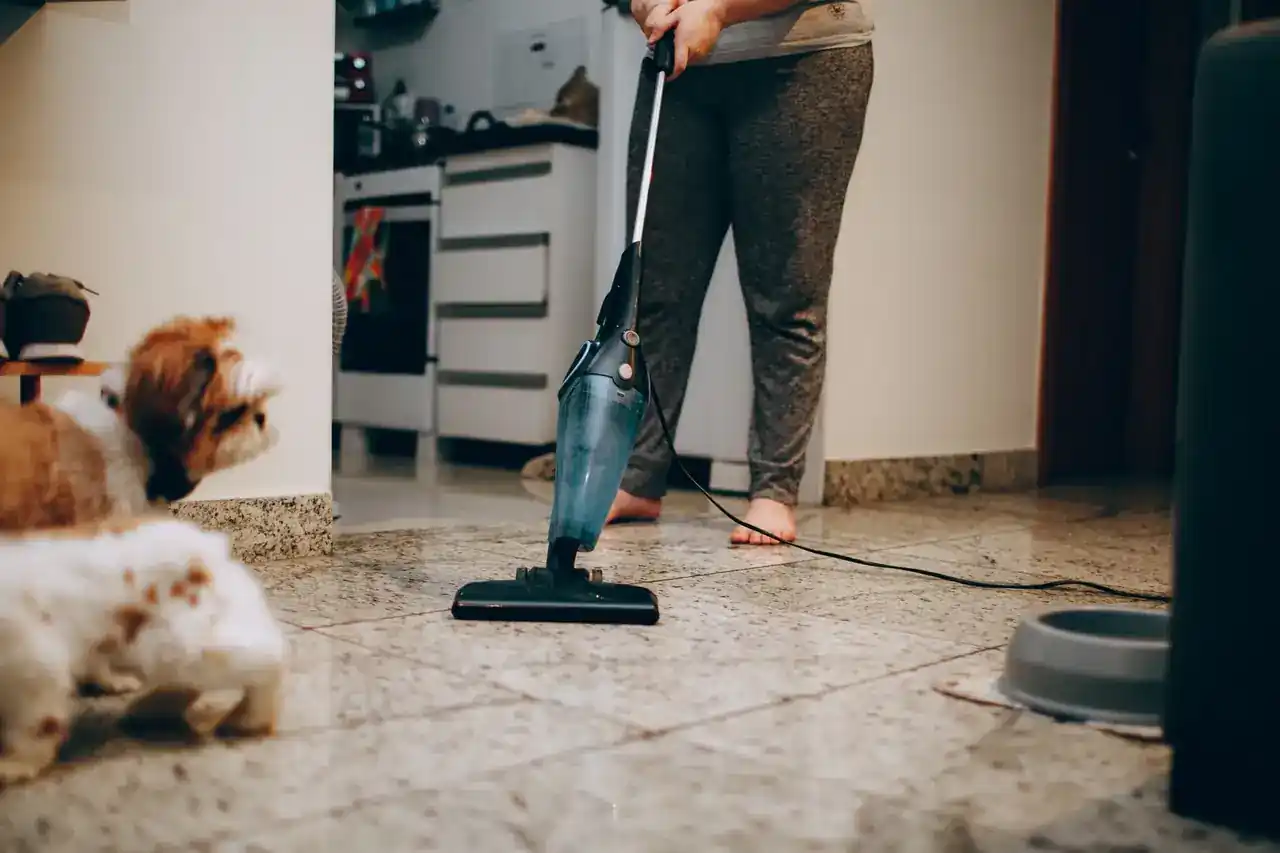
A wet and dry floor-cleaning stick vacuum can pick up crumbs, hair, dust and spilled liquids while passing a wet roller over the floor. This combination reduces the need to vacuum and mop separately, although it requires choosing the right model and accepting that it is designed mainly for hard surfaces. The difference compared with a conventional stick vacuum lies in its ability to vacuum up debris and manage clean and dirty water during the same session.
Current models include separate tanks, dirt sensors, several power levels, self-cleaning and, in some cases, hot-air drying. Some devices offer between 30 and 60 minutes of runtime, clean-water tanks ranging from 650 to 900 milliliters, and motors rated at between 17000 Pa and equivalent suction-power values. These figures help with comparisons, but actual results also depend on the brush, water flow, weight and how easy the device is to clean after use.
If you have a problem with your floor-cleaning stick vacuum, you can use our free error code finder. From there, you can identify and solve all errors easily and effectively.
What a vacuum that vacuums and mops really does
Its operation combines three actions in a single motorized head: the roller collects dirt, a small amount of water moistens the floor, and the suction system recovers the debris and used liquid. Clean water leaves its tank, comes into contact with the brush and ends up in a second compartment together with dust, hair and loosened stains. The result is not a traditional mop, but controlled wet cleaning with immediate water recovery.
This design makes it possible to deal with milk, coffee, sauce or water spills without spreading them with a cloth. It is also practical in kitchens and dining rooms where dry particles and small stains accumulate throughout the day. The pass usually leaves the floor damp but not soaked; drying time depends on the selected flow rate, ventilation and the surface material.
The term wet and dry can be confusing. It does not mean that the device replaces an industrial vacuum capable of collecting large amounts of water, ash or construction debris. In this type of electric stick vacuum, dry mode is generally used to vacuum liquids without activating mopping, while automatic mode manages water and power for everyday maintenance. It should not be used as a dewatering pump or to remove deep puddles.
Which floors it is suitable for and where it makes less sense
Most of these devices are designed for tiles, ceramic stoneware, porcelain, sealed stone, vinyl and certain treated wood floors. On parquet or wooden flooring, the main precaution is to check the manufacturer’s instructions and use the lowest water level. A wooden surface with open joints, deteriorated varnish or raised areas may be damaged if it is repeatedly exposed to moisture.
Rugs and carpets are the most important limitation. The wet roller is not designed to wash textile fibers, and the device may leave moisture trapped, produce odors or alter the material. Some models allow the water outlet to be turned off so they can vacuum dry debris on certain surfaces, but this does not make them specialized carpet vacuums. A home with many carpets needs another device for those areas.
It is also worth considering the space beneath furniture. Some designs tilt until they are almost parallel to the floor and can fit under sofas with approximately 13.5 centimeters of clearance, although the tank and motor housing usually limit the reach. Cleaning along baseboards improves when the roller reaches one of the sides, but no system completely eliminates the need to go over very tight corners.
The type of flooring affects the purchase more than any isolated power figure. In a home with tile floors and pets, an anti-tangle brush, good liquid recovery and a large dirty-water tank are important. In a home with delicate wooden flooring, water-flow control, quick drying and the ability to adjust moisture matter more. The best machine is the one that suits the home’s actual surfaces, not the one that accumulates the most features on its specification sheet.
Power, roller and sensors: the keys to performance
The motor’s electrical power, expressed in watts, does not by itself equal cleaning ability. A 230- or 300-watt device can deliver good results if it concentrates the airflow, keeps the roller in contact with the floor and properly separates dirty water. The suction-pressure figure, such as 17000 Pa, is useful for comparing models in the same category, but it cannot accurately predict how much dirt will be collected on each surface.
The roller is the component that works the hardest. It must rotate fast enough to lift debris, distribute water and guide it toward the suction channel. Edge-to-edge designs make better use of the head’s width and allow the device to get closer to baseboards. This advantage is particularly noticeable around table legs, where a conventional head usually leaves an untreated strip. Brush geometry can influence performance as much as the advertised power.
Dirt sensors automatically adjust suction or water flow when they detect a more heavily soiled area. In practice, the device can work at lower intensity over light dust and increase its effort when faced with stains or wet debris. This helps save battery power, although the response is not always immediate and does not replace a slow pass over dry stains that have been stuck for some time.
Users generally find three modes. Automatic balances consumption and daily cleaning; intensive uses more water and power for a difficult area; and suction mode collects liquids without adding water to deal with a spill. Some devices also allow the flow to be adjusted across several levels. Having an independent suction mode is especially useful for preventing a small accident from becoming a more extensive stain.
Runtime, tanks and weight: what you notice during cleaning
Advertised runtime is usually between 30 and 59 minutes, but this range depends on the selected mode. Maximum power, roller drying and battery age reduce the available time. In a medium-sized apartment, 30 minutes may be enough for maintenance cleaning; in a large home, automatic mode and a higher-capacity battery are more important than a maximum figure achieved under favorable conditions.
A full charge may take between three and five hours. For this reason, these devices work best when placed on the dock after every use. They are not designed to be taken out of a cupboard, charged for a few minutes and immediately used to cover the entire house. The dock usually also serves to start self-cleaning and, on more advanced models, roller drying. The habit of leaving it charging prevents you from discovering an empty battery just before cleaning.
Separate tanks are essential. A 650-milliliter clean-water compartment may be enough for a normal session, while a 900-milliliter one allows more surface area to be covered before refilling. The dirty-water tank, with typical capacities of 700 milliliters, fills sooner if a lot of liquid is collected or if the device is used on a particularly dirty floor. Some models integrate both tanks into a single block but keep the chambers internally separated.
Published weight can range from 3 to 6 kilograms depending on the product and the tank levels. The feeling during use does not depend solely on that figure: roller traction can help the device move forward and offset some of the effort, while a heavy head makes it harder to lift the machine over a step. If it must be carried between floors, the full weight deserves as much attention as the runtime.
Self-cleaning and drying: the part that determines the experience
After mopping, the roller is soaked with dirty water, fibers and organic residue. If it is left inside the dock without ventilation, it can develop an unpleasant odor in a short time. Self-cleaning rinses the brush and channels with water from the clean tank, removes some of the dirt and prepares the component for the next use. It is an important aid, but it does not eliminate the need to empty the dirty-water tank.
Hot-air drying reduces residual moisture. On some models it reaches approximately 65 degrees Celsius and lasts about an hour; on others, the air remains at room temperature and the cycle may take longer. Fast-drying systems allow the roller to be stored with less risk of mold, although the result depends on the filter and tank having been cleaned as well. Self-cleaning does not mean zero maintenance.
The correct procedure includes removing any hair left at the ends, emptying the dirty water, rinsing the tank, cleaning the filter and allowing removable parts to dry according to the instructions. A wet filter can reduce suction and cause odors. The roller, meanwhile, should be replaced when it loses its texture, becomes deformed or leaves water marks. Frequency depends on use, but in homes with pets it is advisable to inspect it after every session.
Detergent also requires care. Only the solution recommended for the model and in the specified proportion should be used. A product that produces too much foam can interfere with the sensors, clog the channels or create excessive foam in the dirty-water tank. Adding household cleaners, bleach or scented oils may void the warranty and damage internal seals. More product does not mean a cleaner floor.
How to choose according to the type of home
For a small apartment with hard floors, a lightweight machine with around 30 minutes of runtime and manageable tanks is usually sufficient. There is no need to pay for a huge battery if a complete cleaning takes less than a normal cycle. In this scenario, a compact dock, an easy-to-remove roller and a suction mode that allows spills to be collected without preparing a bucket and mop are more valuable.
In large homes, runtime and capacity take on greater importance. A larger battery can provide more than half an hour of operation, but it also increases charging time and weight. A clean-water tank close to 900 milliliters reduces interruptions, although it is advisable to empty the dirty water even if there is still room when the liquid contains a lot of debris. Useful capacity is not just how much it can hold, but how much can be kept hygienic.
Pets change the priorities. Hair wraps around the ends of the roller, builds up in the filter and can clog the inlet channel. A design with a scraper comb, easy access and available replacement parts makes maintenance easier. Liquid suction also helps with knocked-over water bowls, but it should not be used to collect large amounts of wet litter or solid debris that could block the channel.
In homes with children, the main advantage is being able to react quickly to stains and food scraps. Automatic mode allows the area to be cleaned without preparing several utensils, while the display and voice prompts warn when the tank is full or the cycle is complete. Nevertheless, noise is still present: the quietest models may be around 70 decibels, while others approach or exceed 80. The “quiet” label should never be interpreted as inaudible operation.
How much they cost and what distinguishes each price range
In the Spanish market, cordless wet and dry vacuums generally cost approximately between 200 and 700 euros, although sales, previous generations and accessories can significantly affect the price. Below 250 euros, devices with smaller tanks, slow charging or basic drying are common. Between 300 and 500 euros, it is common to find sensors, self-cleaning, several modes and a more complete dock. Higher-end models add better finishes, faster drying, longer runtime or more precise water management.
Price does not guarantee that a machine will mop better. A sophisticated dock can make the package more expensive without solving the main problem in a home with narrow corners or delicate floors. The cost of rollers, filters, batteries and cleaning solutions must also be considered. An inexpensive consumable that is consistently available may matter more in the long term than a large display or an animation on the dock.
Specifications should be read together. A 4000 mAh battery distributed across six cells cannot be directly compared with another whose capacity is expressed differently. Likewise, 17000 Pa and 300 W describe different aspects of the system. A sensible purchase comes from balancing runtime, flow rate, weight, liquid recovery and maintenance, not from chasing the highest number.
The warranty is also part of the real cost. In Spain, new products sold to consumers have a three-year legal warranty for applicable lack-of-conformity issues under current regulations. Battery, accessory and normal-wear coverage may have specific conditions. Keeping the receipt and checking spare-parts availability prevents a minor fault from turning an expensive device into one that is difficult to maintain.
Differences compared with a stick vacuum and a robot
A conventional stick vacuum is optimized for removing dust and dry debris. It may be lighter, take up less space and perform better on carpets, especially if it includes a dedicated motorized brush. The wet-floor model adds water, tanks and a wet-collection system, making it heavier and requiring more careful subsequent maintenance. They look similar on the outside, but they do not perform exactly the same function.
A robot vacuum and mop works autonomously and can be programmed to maintain the home every day. Its tanks are usually smaller, and the pressure applied to stains is limited by the robot’s size and mop. A manual wet vacuum provides more control over a specific area and can collect a spill in seconds, but it requires a person to operate it. The robot wins in consistency; the stick vacuum wins in immediate response.
There is also the workshop-style wet and dry vacuum. It can collect more water and bulky debris, but it is cumbersome, normally corded and not designed to mop with a wet roller. It may be more suitable for an accidental flood or construction work; for daily kitchen cleaning, it is less convenient. Choosing the right category prevents you from expecting a device to do what another was designed to do.
In many homes, the most complete combination is a dry vacuum for carpets and upholstery together with a cordless floor scrubber for hard floors. However, those who prioritize saving space may prefer a single hybrid device and accept its limitations. The decision depends on the home’s layout, the presence of textiles and the frequency of spills, not just on the number of devices in the cupboard.
Common mistakes that shorten its lifespan
The first mistake is storing the machine with the dirty-water tank full. Organic residue breaks down, produces odors and can dirty the water-level sensor. Emptying it after every session takes only a few minutes and makes it possible to check for trapped hair or particles. It is also important not to confuse the clean tank with the dirty one when putting them back.
Another common problem is leaving the roller permanently wet or using self-cleaning without removing large debris first. The cycle may rinse the surface, but it does not always remove threads, long hairs or particles stuck at the ends. A brief manual inspection keeps the suction channel clear and prevents the motor from working against unnecessary resistance. The dock automates part of the care, but it does not replace a simple inspection.
Forcing the device over hard objects can also damage the roller. Glass, stones, screws and metal debris should be picked up another way before using the floor scrubber. Although some models tolerate small debris, the impact can deform the component or block the inlet. It is also not advisable to vacuum flammable liquids, corrosive substances, hot ash or materials not authorized in the manual.
Loss of suction, water streaks and constant warnings usually have simple causes: a saturated filter, an improperly fitted tank, a worn roller or a clogged channel. Before suspecting an electronic fault, turn off the device, remove the accessible parts and check each point. If a persistent error code appears, the diagnosis should be carried out using the manual and the appropriate technical service. Cleaning consumable components is the first step when dealing with many performance issues.
The balance between quick cleaning and responsible maintenance
The main virtue of a wet and dry floor-cleaning stick vacuum is that it turns a two-step task into a single controlled pass. It collects dust, hair and liquids while leaving the floor ready to dry, which is especially useful in kitchens, entryways and homes with pets. Its best results appear on hard surfaces and with fresh dirt, when the roller can loosen the stain without requiring too much effort.
Its limitations are also clear: it is heavier than a dry electric stick vacuum, needs water and electricity, does not replace a carpet vacuum and requires its parts to be emptied, rinsed and dried. Self-cleaning functions reduce the effort, but they do not eliminate the responsibility of keeping filters, tanks and rollers in good condition. Convenience is preserved when maintenance becomes part of the routine rather than something postponed until a bad odor appears.
A sensible choice should look beyond the advertised power. Cleaning width, edge reach, ability to tilt under furniture, noise level, charging time and the price of replacement parts give a better picture of everyday use. In a home with hard floors, a balanced device offering 30 to 35 minutes of runtime may be more practical than a more powerful model that is heavy and slow to maintain.
Technology has brought vacuuming and mopping closer together, but it has not erased the differences between cleaning quickly and cleaning well. The best result comes from combining a device suitable for the floor, the right amount of water and consistent post-use cleaning. In this way, the machine stops being a showcase of specifications and becomes what it really should be: a reliable tool for keeping the home clean with fewer steps, without promising more than it can do.
Este artículo contiene enlaces de afiliado: si compras a través de ellos, se genera una pequeña comisión sin coste adicional para ti. Más información.


Error in a 2013 Balay A++ refrigerator: causes and fixes

Balay induction hob error 22: how to fix it

E17 error in the Balay 3TS60107 washer: causes and fix

Balay washing machine E93 error: causes and safe solution
E9 error on a Balay induction hob: causes and solution
E9 error on a Balay induction hob: causes and solution

Balay E9 error on a freezer: causes and solution

E80 error on a Balay washing machine: meaning and solution

Balay washing machine E80 error: meaning and what to do

E80 Error in Balay Ovens: Safe Causes and Solutions

 Kitchen plate7 days ago
E Error on Balay Series 900 Hob: Causes and Solutions
- Balay6 days ago
E05-32 error on a Balay oven: causes and safe solution
- Kitchen plate7 days ago
Balay induction hob E error: causes and solutions
- Balay5 days ago
E09 error in Balay dishwasher: causes and safe solution
- Washing machine6 days ago
Hotpoint washing machine F09 error: what it means and what to do
- Dishwasher5 days ago
E15 error on Balay dishwasher: do not tilt it
- Dishwasher5 days ago
E09 error in Balay dishwashers: causes and safe solution
- Dishwasher4 days ago
Balay dishwasher E15 error: warranty coverage and solution
- Balay5 days ago
Balay washing machine E12 error: causes and safe solution
- Balay5 days ago
E09 error in Balay dishwasher 3VS503IA: causes and fix
- Dishwasher4 days ago
Balay dishwasher E16 error: causes and safe solution
- Balay6 days ago
E0 error on a Balay induction hob: causes and fixes