Magazine
Induction cooktop with integrated hood: real reviews and key points
We analyzed the advantages, limitations, installation, cleaning, noise, and price of these cooktops to know when they truly make sense.

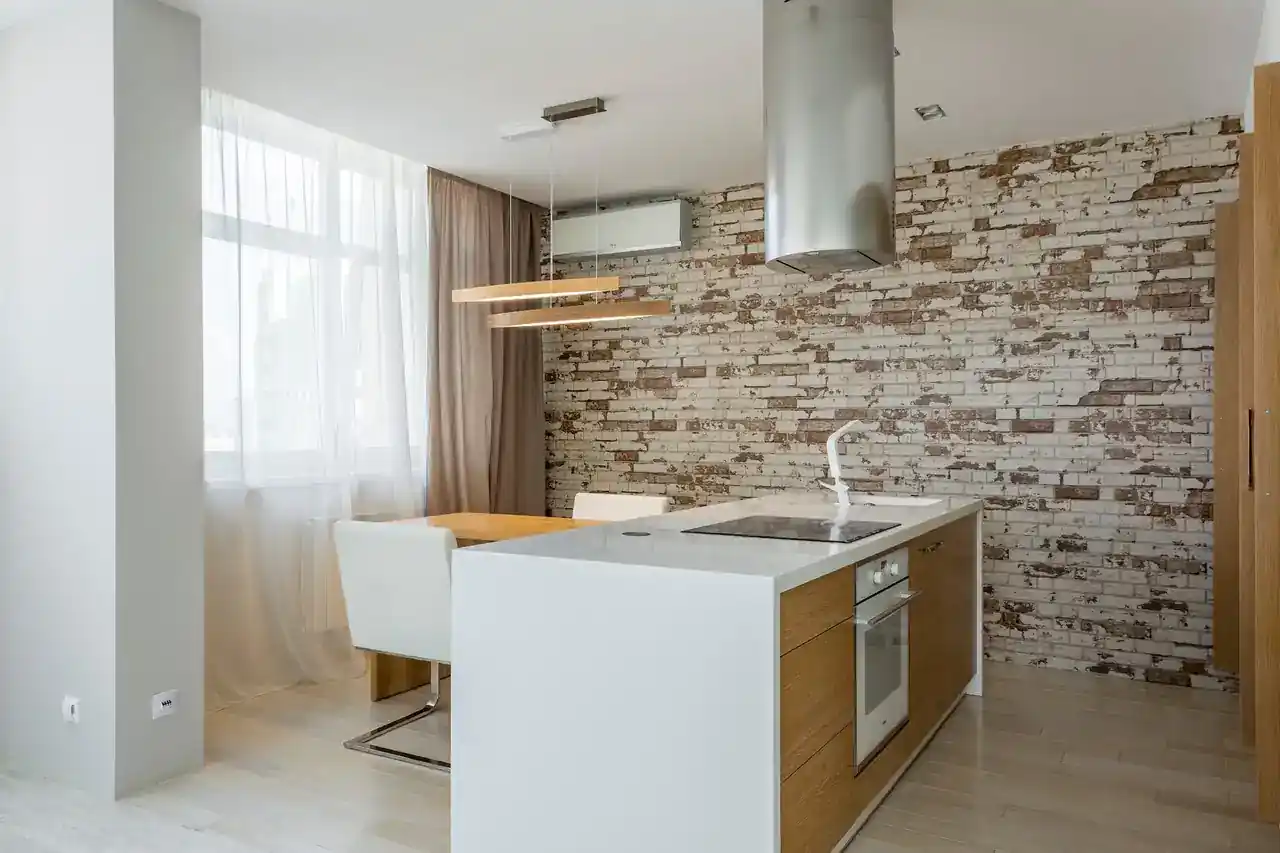
The integrated extraction hob has stopped being a catalog oddity and has become a very serious building decision: it frees up space, clears the view, and changes the way you cook on an island or in an open-plan kitchen. But its real value is not in the picture, but in how it captures smoke, what it demands from the cabinetry, and how much it punishes the budget when installation, filters, and maintenance are added up.
If you have a problem with your dishwasher, you can use our free error code finder. From there, you can easily and effectively identify and solve all errors.
What usually pleases and what usually disappoints
Opinions about an induction hob with integrated hood tend to divide less over aesthetics than over daily use. Those who cook with low cookware, prepare moderate stir-fries, or value a clear island often speak of a comfortable experience, almost silent visually. The whole setup looks clean, with no hanging volume above your head, and that absence carries a lot of weight in contemporary kitchens where the horizontal plane rules above everything else.
The other side appears when cooking becomes more demanding. Heavy frying, stews with tall pots, pans moved quickly, or several zones at maximum power test the extraction capacity. That is when the impression changes: it is not that the system fails, but that it captures differently from a traditional hood. The air does not rise toward a suspended hood; instead, it has to be guided horizontally and enter through a slot or grille located very close to the steam source.
That nuance explains much of the mixed feedback. In a kitchen designed for frequent cooking, but not excessive smoke, it usually comes out looking good. In a kitchen where a lot is fried, where large pots are used, or where improvisation is common, it can feel more limited. The issue is not whether it works or not, but whether it works well for that specific pace of use.
Why the design is so appealing
The first reason is obvious: the visual space is freed up. Where there was once a wall hood, an island with a hanging volume, or a technical ceiling, there is now a clean surface. In open-plan projects, that effect is almost architectural. The kitchen stops looking like a separate area divided by bulky pieces and blends better into the living room or dining room, as if everything had been drawn with a single line.
The second reason is more practical than it seems. With no visible hood, awkward shadows disappear from the countertop and you avoid bumping your head into a low structure. In narrow islands or in kitchens where design must coexist with stools, walkways, and tall cabinets, that absence offers very valuable freedom. Many also appreciate that the area is easier to clean at a glance, because there are no filters, housings, or decorative trim pieces suspended above collecting grease and dust.
In higher-end renovations, the solution also fits a widely shared idea: fewer elements, more continuity. It is not just an aesthetic issue, but one of how the space is read. An integrated extraction hob allows the island to function as a worktable, informal bar, and visual centerpiece all at once. That explains why it has gained ground in mid-to-high-end kitchens and in projects where the final image matters as much as performance.
Performance: the difference lies in how you cook
The most useful opinions do not talk about brands or catalogs, but about habits. An induction hob with integrated extractor usually performs better when heat is generated in cookware that does not produce very high plumes, or when used with a certain calm. Boiling, slow cooking, griddling, and many everyday uses find a favorable setting here. Steam is created close to the surface, and the system collects it before it can spread too much.
The problem appears when steam behaves like a brief flare-up: sudden smoke rise, oil splatter, a very active pan, a wok moved with energy. In those cases, an overhead hood usually has the advantage because it takes advantage of the natural rise of hot air. Extraction in the hob needs more precision and, for that very reason, depends a lot on the size of the cookware, its position over the capture area, and whether the airflow has been well designed from the installation stage.
The type of hob also matters. Those with large zones or functions that allow you to bridge burners help a lot with comfortable cooking. When the cooking surface is narrow or awkward, the extraction system loses some of its point because it forces you to place pots and pans with too much rigidity. In practice, you are not just buying extraction; you are buying a specific way of cooking.
Price, installation, and the hidden cost you do not see in the store
Price is one of the factors that most changes the final opinion. These hobs usually cost quite a bit more than a conventional induction hob and, in many cases, getting close to the sum of a hob plus a classic hood is not always easy. There are entry-level models that still run at fairly high prices, but in the mid and high range the total outlay can rise quickly when you add the necessary work to make room for the duct, the adapted cabinet, and specialized labor.
Installation is often where surprises appear. A system like this needs space for the motor, filters, and duct, and that space does not always match a standard cabinet. In some island layouts, the solution requires losing a drawer, reducing usable depth, or altering the plinth to allow airflow. In others, the design requires planning the exhaust route or recirculation in advance, something that should be defined before closing up cabinets and countertops.
That detail explains why many doubts are not technical, but related to the build. There are kitchens where the hob fits like a glove and others where it forces the layout to be stretched. If the island has stools behind it, for example, there may be enough room for the system, but not always for all the storage modules that had been imagined. And when the cabinet loses a usable section, the decision is no longer measured only in extraction, but in storage, ergonomics, and final working height.
Recirculation or external venting: the point that changes the experience most
Many integrated extraction hobs work in recirculation. That does not mean a lesser solution, but it does mean a different one. The air passes through grease and charcoal filters or other neutralizing systems before returning to the room. The advantage is clear: it does not require a duct to the outside and simplifies some renovations. The drawback is also clear: the result depends greatly on the quality of those filters, their maintenance, and the actual use the appliance gets.
External venting offers, in theory, a more direct and stable sense of exhaust. However, it is not always possible and not always the best option if it requires very long runs, badly handled bends, or complicated installations. In open kitchens and homes where the work has been well planned, both approaches can work. The difference lies in execution, which is where efficiency is gained or lost.
The most critical opinions often mention the cost of the filters and replacing them. This is no minor detail. Regular maintenance is part of the deal, and it is worth accepting from the start. If the filters are neglected, the system loses capacity and smoke stays in the kitchen longer. If they are cleaned and changed regularly, the experience improves noticeably. In other words: it is not enough to buy a good hob; you have to support it with realistic maintenance.
Noise, odors, and ease of use: what the brochure does not show
Noise matters more in opinions than it seems. Given equal apparent power, an integrated extractor hob can sound different from a suspended hood, and that difference is more noticeable in a kitchen open to the living room. The noise is not always excessive, but it changes the atmosphere. During a quiet dinner or while talking near the island, a constant hum can feel more present than in a closed kitchen.
Odors also shape judgment. In moderate use, extraction usually contains most common cooking smells well. But when the pan is pushed to the limit or cooking with hot oils, odors travel easily. The system helps, yes, but it does not magically replace good ventilation or a well-designed installation. That is why many positive opinions come from users who cook with discipline and not from those who expect the appliance to solve any excess without effort.
Everyday comfort, nevertheless, has enormous weight. Cleaning the surface is easier than dragging grease through a tall hood, and the feeling of cooking with nothing above creates a sense of openness that many value every day. By contrast, those who prioritize raw performance, direct lighting over the countertop, or capture that is more forgiving of kitchen mess usually miss the traditional solution. Each side has its logic.
What people think after installing one on an island
On an island, the balance changes quite a lot. The integrated extractor resolves a classic tension: how to cook without placing an obstacle in the middle of the space. It works very well on large islands because it leaves the upper area free and allows people to share the kitchen without a hood breaking the visual continuity. In interior design projects, that detail matters almost as much as the technical result.
However, the island also reveals its limits. Under-counter space is usually very tightly measured there, and any system that requires extra depth, ducts, or internal compartments can eat into part of the planned storage. Planning is everything. If everything is not prepared from the start, the solution may end up imposing awkward sacrifices: fewer drawers, less depth, or a countertop higher than expected.
That is why the best opinions about this type of hob usually come from installations designed from scratch. When the project begins with integrated extraction built into the cabinet architecture, the whole thing flows. When it is improvised at the end, patches appear, and those patches are noticeable both in daily use and in the final bill.
Durability, breakdowns, and the dilemma of repair versus replacement
Another common concern is durability. A conventional hob and a separate hood spread the risk: if one part fails, the whole system does not go down. With an integrated solution, by contrast, the dependence is greater. If the extractor breaks, the repair can be more complex and expensive than with a standalone hood. And if the fault affects the hob, the problem is not limited to cooking; it affects the entire setup.
That does not mean they are fragile by definition. It means integration has a clear consequence: more compact, less independent. For some users that is not a drawback, because they prefer a single, well-resolved system. For others, the ability to replace one part without touching the other matters a lot. The purchase then also becomes a bet on the kind of future maintenance one is willing to accept.
In homes where cooking happens every day for many years, this question is not minor. The initial price may seem manageable, but the cost of a repair out of warranty changes the balance quickly. That is why the most insightful opinions do not stop at the shine of the first use: they look beyond it, toward service life and how easy it is to intervene when use leaves its mark.
When it truly fits, and when another solution is better
The integrated extraction hob shines when the project aims for a clean aesthetic, the kitchen is open, and use does not revolve around constant frying or very aggressive cooking. It also fits well in homes where a traditional hood would break the composition or where the ceiling does not offer an easy solution. In those scenarios, the combination of design and functionality can be very compelling.
On the other hand, if the kitchen is very intense, if steam is abundant and frequent, if maximum tolerance for messy use is desired, or if the work does not allow a refined design of ducts and maintenance, the balance usually tips toward a well-executed classic hood. There is no universal option; there are projects better or worse aligned with each system. That is the key that separates a satisfying purchase from an expensive disappointment.
The most sensible opinions agree on one essential point: the integrated hood hob is neither a passing trend nor a miracle solution. It is a very useful technical and aesthetic response in specific kitchens, but it requires planning, budget, and compatible habits. When those three pieces fit, the result is convincing. When one fails, the system can seem more spectacular than practical.
The decision that best stands up to daily use
Experience shows that these hobs convince above all those who cook with a calm logic, value visual order, and accept that integrated technology also demands discipline. They work like a tailor-made suit: they look very good when the project fits them, but they can feel tight if bought thinking only about appearance. The secret lies less in the brand than in the compatibility between space, habits, and construction work.
That is why the most reliable opinions do not stop at initial enthusiasm or quick criticism. They talk about smoke, odors, filters, lost drawers, countertop heights, and what it really costs to keep the system alive. That is where its value is measured. A good integrated extraction hob does not replace judgment; it demands it from the first stage of the project and rewards it later, every time the kitchen is used without anything getting in the way above the worktop.
In that balance between beauty, performance, and cost lies its true place. It is not the same for every home, but when it fits, the kitchen changes character: it breathes more, looks better, and is organized as a continuous, almost silent space where cooking stops being surrounded by appliances and returns to the center of the scene.
Este artículo contiene enlaces de afiliado: si compras a través de ellos, se genera una pequeña comisión sin coste adicional para ti. Más información.


Balay washing machine F4 error: how to restore drainage

Error in a 2013 Balay A++ refrigerator: causes and fixes

Balay induction hob error 22: how to fix it

E17 error in the Balay 3TS60107 washer: causes and fix

Balay washing machine E93 error: causes and safe solution
E9 error on a Balay induction hob: causes and solution
E9 error on a Balay induction hob: causes and solution

Balay E9 error on a freezer: causes and solution

E80 error on a Balay washing machine: meaning and solution

Balay washing machine E80 error: meaning and what to do

 Kitchen plate7 days ago
E Error on Balay Series 900 Hob: Causes and Solutions
- Kitchen plate7 days ago
Balay induction hob E error: causes and solutions
- Balay6 days ago
E05-32 error on a Balay oven: causes and safe solution
- Washing machine6 days ago
Hotpoint washing machine F09 error: what it means and what to do
- Balay5 days ago
E09 error in Balay dishwasher: causes and safe solution
- Dishwasher5 days ago
E15 error on Balay dishwasher: do not tilt it
- Dishwasher5 days ago
E09 error in Balay dishwashers: causes and safe solution
- Balay5 days ago
Balay washing machine E12 error: causes and safe solution
- Dishwasher4 days ago
Balay dishwasher E15 error: warranty coverage and solution
- Dishwasher4 days ago
Balay dishwasher E16 error: causes and safe solution
- Balay6 days ago
E0 error on a Balay induction hob: causes and fixes
- Dishwasher5 days ago
E11 error in Balay dishwashers: causes and solutions