Magazine
How long do anchovies in vinegar last in the fridge
Actual shelf life, signs of spoilage, and preservation tips to maintain its flavor and avoid risks.

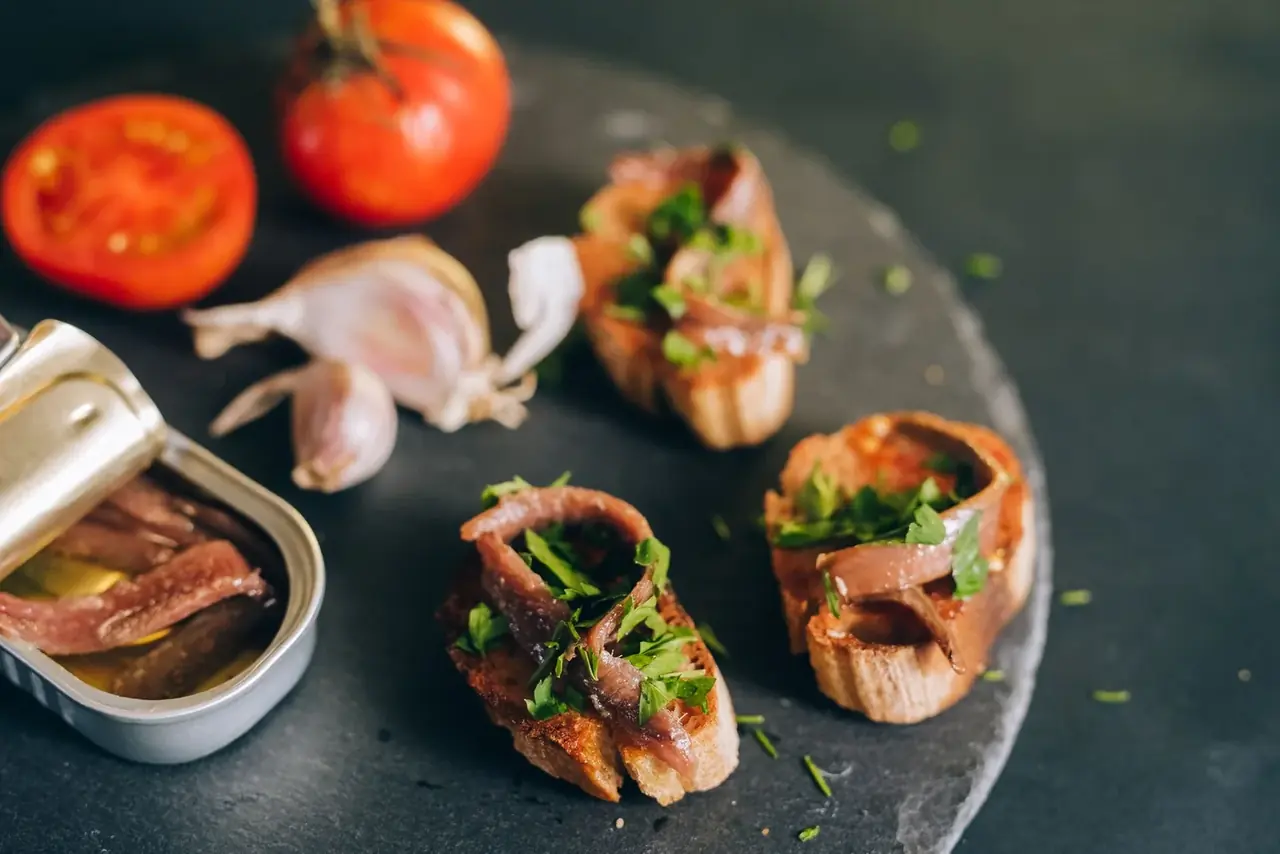
Boquerones in vinegar are one of the most delicate appetizers in Spanish cuisine: they shine when they are fresh, but they lose quality quickly if the cold chain fails or if the container is not properly sealed. In a home refrigerator, a well-made homemade preparation usually stays in good condition for between 5 and 7 days, while store-bought packaged versions, as long as the container remains intact and the temperature indicated by the manufacturer is respected, can last longer; even so, the flavor and texture begin to deteriorate sooner than many people imagine.
The useful answer does not depend only on the calendar. The thickness of the fillet, the strength of the vinegar, the amount of salt, whether the fish was completely covered by the liquid or oil, the cleanliness of the utensil used, and the actual refrigerator temperature all play a role. A well-preserved boquerón smells clean, keeps a light color, and has firm flesh; when an unpleasant sharp odor, a slimy surface, or a dull tone appears, the clock stops mattering and caution takes over.
If you have a problem with your refrigerator, you can use our free error code finder. From there you can find out and solve all errors easily and effectively.
The real shelf life depends more on the cold than on the vinegar
Vinegar helps, but it does not work miracles. Its role is to lower the food’s pH and hinder the growth of many microorganisms, although it does not eliminate all risks or turn the recipe into an immortal product. In practice, the safe preservation of marinated boquerones rests on three very specific pillars: constant temperature, rigorous hygiene, and enough liquid or oil coverage to isolate the fish from the air.
In a home refrigerator, the safest zone is usually between 0 and 4 degrees Celsius. Above that range, deterioration advances more quickly and the texture loses the delicate point that makes this bite so valuable. A refrigerator that is opened many times a day, with overloaded shelves or an inaccurate thermostat, can shorten the product’s shelf life even if the jar appears perfectly closed.
That is why talking about shelf life without talking about preservation only tells half the story. Marinated boquerones do not behave like a stable, long-life preserve; they are more like a fresh preparation, with a short margin and sensitive to handling. The cleaner the process and the colder and more stable the storage, the closer the food will be to that one-week period used as a prudent home reference.
What changes between a homemade recipe and a store-bought jar
Homemade boquerones usually have a shorter shelf life because sanitary control depends entirely on the cook. The fish is cleaned, marinated, and then covered with oil, but any small oversight -a bone left behind, a bowl that was not disinfected, a spoon used several times- speeds up deterioration. At home, the best safety margin is usually between 5 and 7 days, provided the fish was previously frozen to reduce the risk of anisakis and is kept continuously refrigerated.
Commercially packaged products play in a different league. They come from more controlled processes, with selected raw materials and packaging designed to limit air entry. Even so, once the container is opened, the contents begin to behave like an open preparation and no longer have the full protection of the original packaging. At that point, time starts to run in a way similar to a homemade preparation, especially if it is handled frequently or taken out of the refrigerator to serve and then put back in again.
The difference is also noticeable in texture. A quality marinated boquerón keeps firm, juicy flesh, with a clean white color and balanced acidity. When it is no longer at its best, the fillet becomes soft, the oil turns cloudy, and the aroma loses freshness. You do not need to wait for a strong smell to suspect something is wrong; often the first warning is visual, like a slightly faded photograph of what it was at the beginning.
The right fridge and the right container do more than a complicated recipe
Keeping boquerones in an airtight container is a basic requirement, not a minor detail. Glass is preferable because it does not transfer odors and is easier to clean, while poorly sealed containers let air in and allow the fish to dry out. Ideally, they should be completely covered by the marinade or by a thin layer of olive oil, which acts as a barrier against oxidation and helps preserve the surface better.
The size of the container also matters. If the jar is too large for the amount left, there is more air in contact with the food and more room for quality to decline sooner. That is why many cooks transfer leftovers to a small jar when the original has been partially emptied. This simple move reduces contact with oxygen and improves preservation without needing to add new ingredients or alter the original flavor.
The location inside the refrigerator deserves attention. The door is the worst place for such a sensitive food because the temperature rises and falls with every opening. The middle shelf or a stable interior area offers better conditions. In a well-regulated appliance, stability is more important than extreme cold: a thermometer that swings is like a coast with constant surf, and boquerones notice it right away.
Clear signs that they should no longer be eaten
Smell is a good first filter, but not the only one. A boquerón in good condition gives off a pleasant acidic aroma, with soft marine notes and no harsh edges. When smells of ammonia, strange fermentation, or rancidity appear, the product has started to deteriorate and it is not wise to keep tasting it out of habit. In foods like this, smelling does not replace proper storage, but it does help detect a problem before putting the bite in your mouth.
Texture gives more clues than it seems. If the fillet breaks too easily, turns slimy, or has lost its firm body, the quality has dropped. The oil also tells a story: if it is very cloudy, has strange foam, or unusual sediment, it is a sign that the whole batch is no longer at its best. Not every change means immediate danger, but it does indicate a clear loss of freshness and safety.
The color should remain clean, with light tones and a uniform appearance. Noticeable dullness, strange spots, or an opaque surface are warning signs. In preserves and marinades, the eye detects before the mouth what the pantry should no longer keep. That is why, when a boquerón no longer looks appetizing, the wisest choice is not to make excuses for it, but to respect the signal.
How long each format lasts without losing quality
In a well-preserved homemade preparation, the prudent time frame is around 5 to 7 days. Some households stretch that a little further if the marinade is very acidic, the oil covers everything completely, and the refrigerator maintains a low, stable temperature, but for home use that week is a solid reference. After that, the risk is not always visible, and the margin for error no longer justifies the pleasure of a bite that is no longer at its peak.
In a sealed commercial jar kept refrigerated as instructed, the time can be longer. Once opened, however, the practical recommendation shortens again and it is best to consume it within a few days or, at most, within the first week if the product remains impeccable. There is no universal figure because each brand uses different formulations, but there is a consistent rule: the more it is handled, the less it lasts.
If the marinade includes a fair amount of oil and the fish is protected from air, the surface keeps better. Even so, oil does not replace cold storage and it does not correct poor handling beforehand. Its function is to protect, not to revive a food that has already left the safe zone. Practically speaking, it serves to gain stability, not to turn a delicate preparation into a pantry reserve.
What to do so they last just long enough
Hygiene comes first from the start. Hands, the cutting board, the knife, and the container must be clean before touching the marinated fish. Every spoonful that goes in and out of the jar carries bacteria from the environment, and that everyday exchange is one of the fastest ways to shorten the food’s shelf life. Serving with clean utensils and closing it again right away may seem minor, but with fragile foods it makes all the difference.
It is also wise to avoid temperature changes. Taking the jar out, leaving it on the table for a while, and then putting it back in does not help. Ideally, you should remove only the amount you are going to eat at that moment. If there is a lot left over, do not leave it at room temperature while something else is being prepared. In this type of preparation, time out of the cold is not a decorative detail: it is part of the problem.
One final important precaution is freezing the fresh fish before marinating it, a very common practice to reduce the risk of anisakis. Freezing does not by itself extend the final shelf life of the prepared boquerón, but it does provide an added layer of safety that is crucial when the recipe is made at home. Without this measure, the question of how many days it lasts stops being merely culinary and enters health and safety territory.
Why marinated boquerón lasts less than it seems
At first glance, vinegar and salt give the impression that the problem has been solved. The fish changes appearance, loses some of its rawness, and takes on a translucent sheen that resembles a preparation already tamed. But beneath that appearance there is still a very sensitive food, with a lot of water and rapid natural deterioration if the environment does not help. Acidity slows down, it does not stop time.
The fat in the oil can also be misleading. By covering the surface, it gives a sense of complete protection, like a liquid lid, and to a large extent it is. However, it does not prevent oxidation indefinitely, nor does it fix a weak cold chain. As the days go by, the product loses shine, the aroma becomes less clean, and the bite loses that balance of salt, acid, and softness that makes it so recognizable.
That is why the short answer is useful, but incomplete. Between 5 and 7 days at home is a sensible reference for a well-stored homemade preparation; somewhat longer in intact commercial packaging, always with the refrigerator at the correct temperature; and less time if there is heat, poor handling, or doubts about the fish’s condition. Preserving this appetizer does not reward improvisation, but simple precision.
An excellent tapa, but with a short clock
Marinated boquerones are one of those recipes that seem more durable than they really are. Their clean flavor, light color, and the convenience of having them ready in the refrigerator make you think they last much longer. The reality is different: they are a fast-consumption product, very enjoyable at the table and quite fragile away from it. When they are kept cold, covered, and well submerged, they retain their best version for a few days; when one or two conditions fail, the decline appears quickly.
The key is to treat them for what they are: a delicate preparation meant for immediate enjoyment, not a long reserve to forget at the back of the fridge. If the color fades, the smell changes, or the texture loses firmness, the refrigerator is no longer doing its job even if the jar is still closed. Everything is decided in that balance between freshness, acidity, and cold.
That is why the most honest way to measure their shelf life is not to count days rigidly, but to observe the product’s actual condition and respect a short margin. In an average home, with a well-regulated refrigerator and proper storage, boquerones in vinegar are best enjoyed within the first week. After that point, the wisest choice is to let the memory remain better than the dish.
Este artículo contiene enlaces de afiliado: si compras a través de ellos, se genera una pequeña comisión sin coste adicional para ti. Más información.


H error on a Balay ceramic hob: meaning and action

H error on Balay hobs: causes and safe solution

G10 error on a Balay washing machine: meaning and solution

Balay Crystal Series white refrigerator error: meaning

Balay white glass refrigerator errors: practical solutions

Balay Glass Series refrigerator error: causes and solution

Balay refrigerator error: codes, causes and solutions

E09 Error in Balay Dishwashers: Causes and Safe Fixes

F9 error on Balay dishwasher: meaning and solution

F8 error on a Balay ceramic hob: causes and solutions

 Appliance6 days ago
Smart appliances for a secure connected home
- Appliance6 days ago
Electrodomésticos con IA: funciones, límites y compra útil
- Appliance6 days ago
Efficient appliances to save water at home
- Appliance6 days ago
Efficient appliances: how to cut energy bills
- Appliance6 days ago
Sustainable appliances with recycled materials that matter
- Kitchen plate6 days ago
E32 error on a Balay induction hob: causes and solution
- Appliance6 days ago
Smart appliances for a secure connected home
- Balay6 days ago
E31 error on a Balay washing machine: meaning and action
- Appliance6 days ago
Sustainable appliances: recycled materials that matter
- Appliance6 days ago
Efficient appliances that save water at home
- Washing machine6 days ago
E35 error in Balay, Siemens and Bosch washing machines: fix
- Appliance6 days ago
AI appliances: features, limits and smart buying