Magazine
Ariston boilers: problems, codes, and most useful solutions
Detect faults, interpret codes, and act safely before a breakdown cuts off heating or hot water.

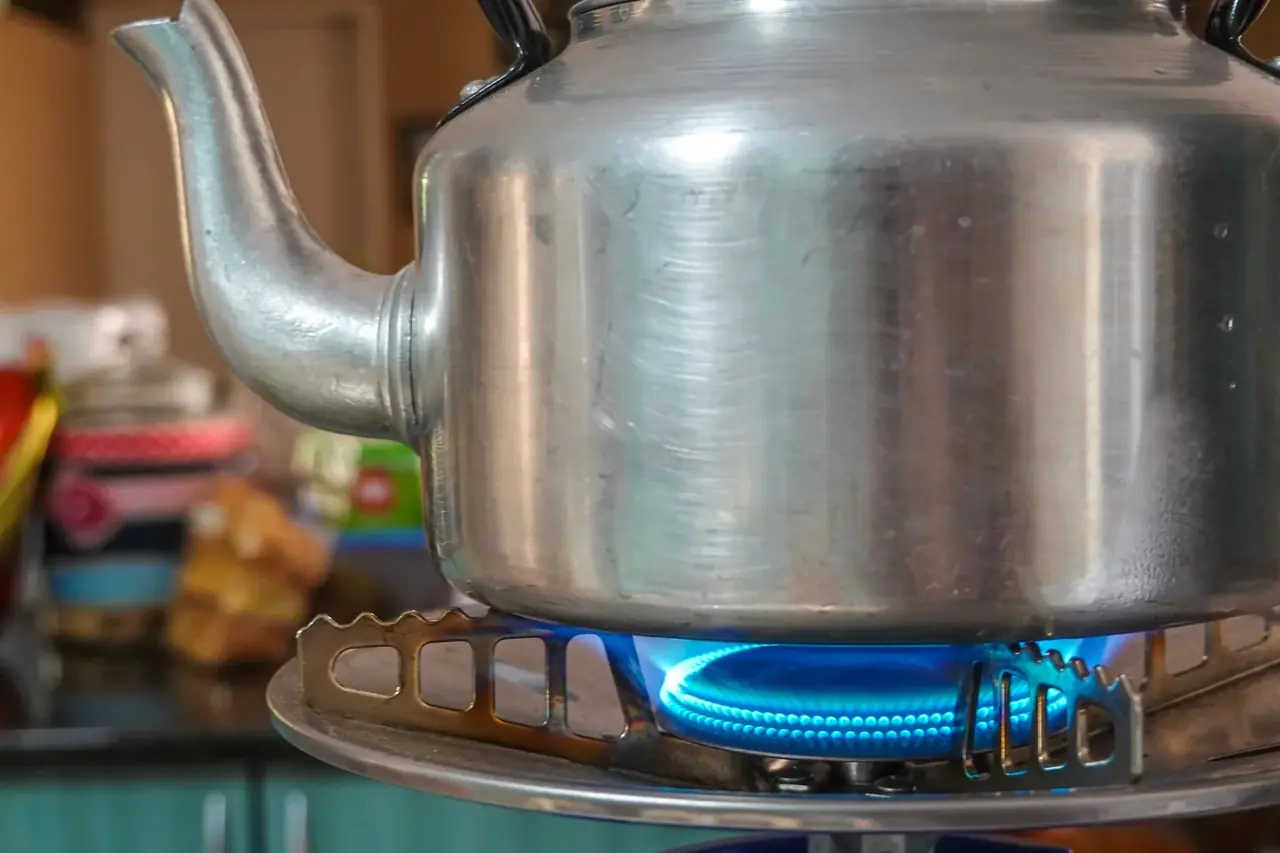
Ariston boilers usually respond well for years, but when they fail, they do so with very recognizable signs: pressure out of range, ignition lockouts, strange noises, leaks, or on-screen warnings that stop the unit for safety. The difference between a minor incident and a serious breakdown almost always lies in reading those signs in time and not insisting on repeated resets without a clear reason.
If you have a problem with your boiler, you can use our free error code finder. From there, you can find out and solve all errors easily and effectively.
Signs that reveal a fault before the lockout
In a boiler, a fault rarely appears all at once. Before the unit stops completely, symptoms usually show up that the user can easily notice: the water takes longer to heat, the radiators stay lukewarm, the pressure gauge drops for no apparent reason, or the appliance starts sounding like a coffee maker about to boil. Those changes, however small they may seem, are the first clue that something is not working as it should.
Water pressure is one of the most useful indicators. When cold, most domestic installations work with an approximate reference of 1 to 1.5 bar. If it drops below 1 bar, the boiler may lock out; if it rises toward 3 bar, it enters a risk zone and may discharge water through the safety valve. That narrow margin explains why so many breakdowns begin with a simple look at the pressure gauge.
It is also worth listening to the unit. A persistent hum can point to poor water circulation, knocking is often related to air in the circuit, and a thin whistling sound can appear when there is narrowing, dirt, or poor heat exchange. The boiler does not speak, but it does warn you; and it does so with a precision that, when properly interpreted, prevents major repairs.
Codes that appear most frequently in Ariston boilers
Ariston error codes are grouped, in practical terms, into ignition, circulation, sensor, flue, and electronics faults. Some can be resolved with a basic check; others require technical diagnosis. The key is not to lump a low-pressure warning together with a ventilation fault, because the level of urgency is very different.
Among the most common are those related to ignition, such as 501, 504, and the sequences 5P1, 5P2, or 5P3. When they appear, the boiler fails to start combustion or does not detect the flame correctly. The most likely causes range from insufficient gas supply to dirty electrodes, damaged cables, or a valve that does not open as it should. It is not advisable to keep forcing repeated resets: if the sequence keeps returning, there is an underlying problem.
Another very common block is water circulation, with references such as 103 to 107 or 1P1. These warnings are usually related to the pump, filters, air in the circuit, or accumulated sludge. In practice, the boiler protects itself because it detects that the water is not moving enough and fears overheating. From the user’s point of view, the symptom is usually cold radiators, bubbling noises, or uneven heating, as if some rooms were living in winter and others in autumn.
Pressure warnings are also common, especially 108 when it drops and 109 when it rises. In the first case, the boiler loses stability and may shut down; in the second, the system protects itself by releasing water. When a unit keeps losing pressure again and again, the sensible approach is not to keep refilling it endlessly, but to look for a leak, a poorly resolved bleed, or a problem with the expansion vessel.
What an ignition fault really means
When the boiler does not start, the user usually thinks of gas first, and that is not far off. A closed tap, a partially closed valve, or an irregular supply is enough to leave the unit silent. But not every ignition fault has that obvious cause. Often the problem lies in the full sequence: ventilation, spark, flame detection, and electronic control must all align within a few seconds. If just one part fails, the system protects itself and stops.
Cleaning the electrodes and checking the condition of the burner matter more than they seem to. Dust, combustion residue, or moisture can alter flame sensing. In heavily used units, that wear is almost invisible from the outside, but still enough to cause intermittent ignition failures, which are the worst kind of breakdown: the kind that leaves the user feeling that the boiler sometimes works and sometimes doesn’t, like a door that opens when it feels like it.
The safe solution is not to dismantle parts without experience. The reasonable steps are to check that gas is available, that the electrical supply is stable, and that the error does not return after a single reset. If it does, the diagnosis should focus on the gas valve, electrodes, circuit board, or wiring. In combustion systems, guessing is costly.
When pressure drops or rises without explanation
Erratic pressure is one of the most common causes in domestic maintenance. A slow drop can be due to micro-leaks in the installation, recent bleeding, or losses in valves and connections. A sudden rise, on the other hand, usually points to incorrect handling of the filling valve, a discharged expansion vessel, or overpressure caused by the system’s own operation.
Refilling water is a useful maneuver, but only when the pressure is truly low and the cause is temporary. If the problem repeats every few days, the unit is telling you that the system is losing stability. At that point, continuing to add water introduces more minerals, more sediment, and, over time, more dirt. The improvised remedy ends up feeding the problem.
A boiler operating with incorrect pressure may perform worse, make more noise, and wear out the pump or heat exchanger sooner. That is why checking the pressure gauge when cold, observing whether the needle stays stable, and watching whether the loss coincides with bleeding radiators or drips in the installation helps distinguish a simple correction from a real defect. In heating, consistency matters more than a quick fix.
Noise, air, and poor circulation: the trio that confuses users the most
Many users describe the problem as a kind of metallic rumble, bubbling, or vibration that appears when the boiler starts up. That soundtrack usually reveals air in the circuit, dirty filters, or a pump that no longer moves the flow smoothly. Heating, which runs quietly when everything is in place, becomes noisy when the water meets resistance or air pockets break the flow.
Bleeding the radiators helps when the source is trapped air, but it is not a magic wand. If the noise returns, there may be sludge, blocked valves, or a tired pump. In older homes or installations with years of use, the inside of the circuit resembles a sediment-filled channel: the water still passes through, but not with its original ease. Then the boiler detects it before the user does, and that is why it locks out or limits its output.
Circulation codes, such as those from 103 to 107 or 1P1, often fit that scenario. They do not always mean a part is broken; sometimes they indicate a combination of small resistances. Cleaning filters, checking the pump, balancing radiators, and verifying pressure are steps that provide real technical context. In these situations, the fault does not live in a single component but in the combined behavior of the whole circuit.
The role of the heat exchanger and hard water
The heat exchanger is one of the elements most heavily affected by daily use. That is where energy is transferred from the burner to the water, and any buildup of scale or sediment reduces efficiency. When the water in the area is hard, with a high mineral content, the inside of the circuit begins to crust over like a kettle left unused for months. The result may be a slow loss of performance or a much more serious blockage.
A partial blockage usually means slower heating, noise, and rising consumption. A total blockage leaves the unit practically out of service. At that point, descaling may be enough if the damage is not extreme, but in other cases the part needs replacing. The difference is determined by a technician with the right tools; to the user, it is only the end of the problem that is visible, not its anatomy.
Prevention here is less flashy than a repair, but much more cost-effective: check water quality, do not force the unit to unnecessary power levels, and keep up with maintenance. In a boiler, limescale does not announce itself; it works silently, layer upon layer, until the flow drops and performance melts away like ice in the sun.
Flue and ventilation problems: when safety takes over
Codes linked to gas evacuation and the fan belong to another risk category. This is not just about whether the boiler performs better or worse; it is about safety. Warnings such as 601, 607, 608, 610, or 611 indicate that flue extraction, pressure switch authorization, or the fan are not working as they should. In that situation, the unit locks out because continuing to operate would be a bad idea.
The correct reaction is to stop using the boiler and ventilate if there is any suspicion of combustion gases in the room. A partially or fully blocked duct, a fatigued turbine, or a poor smoke reading may seem like mechanical faults, but in reality they are protective barriers. Forcing them with resets, improvised covers, or repeated start attempts only increases the risk and complicates later diagnosis.
The fan and flue outlet should not be treated as secondary parts. Their function is as important as the burner, because safe combustion depends on their operation. When that circuit fails, the boiler is not asking for patience: it is asking to be stopped. In winter, that difference is decisive.
Electronic errors and boards that block entire functions
Codes 301 to 307 usually point to the control electronics, and the symptom is especially frustrating because the unit stops behaving in a predictable way. It may not respond to buttons, lock up after several attempts, or show faults that change form. In these cases, the electronic board acts as the system’s brain, and any disturbance in its readings affects several functions at once.
A single reset may be enough to rule out a temporary fault, but insisting does not help. When the error returns, the boiler is indicating that the problem is not a momentary whim, but a stable anomaly. Possible causes range from damaged connections to components on the board affected by moisture, overload, or aging. The user sees a code; the technician sees a disrupted conversation between sensors, relays, and internal signals.
Electronics also tend to make another modern problem more visible: intermittent behavior. Everything seems normal until it is not, and then the fault repeats without a pattern. That kind of breakdown requires method, not intuition. Photographing the code, noting the time, remembering whether the pressure was normal, and whether the unit had been making noises are simple details that help far more than a dozen resets with no record.
How to act without making the fault worse
The first rule is not to turn a technical issue into a bigger breakdown. Resetting once makes sense; resetting repeatedly does not. If the problem disappears and returns, you need to stop insisting. A heating system cannot be persuaded by pressing buttons, just as a car does not fix a flat tire by looking at the dashboard.
The second rule is to separate what the user can check from what already requires professional intervention. Cold pressure, the position of the gas valve, visible water under the boiler, the condition of the radiators, or the presence of air are all reasonable checks. Tampering with combustion, opening the gas assembly, or dismantling electronics is not. The line between caution and risk is quite clear when gas, flame, and pressure are involved.
In the event of a gas smell, the priority is not diagnosis but safety. If it can be done safely, the supply should be shut off, the area ventilated, the room evacuated, and an authorized service called. It is one of those situations where speed matters more than curiosity. And in heating, misplaced curiosity often ends badly.
Preventive maintenance that really reduces incidents
The best way to reduce problems is not to wait for the error, but to prevent the causes from building up. Annual maintenance allows the burner, heat exchanger, and filters to be cleaned and basic parameters checked before the unit starts showing signs of fatigue. It is not just about extending the boiler’s life, but about keeping it at the point where it consumes less and responds better.
Checking pressure, bleeding radiators when needed, monitoring water quality, and not covering grilles or air vents are simple actions that make a difference. In homes with heavy use, it is also worth paying attention to new noises, uneven temperature, and any drip, however small. A boiler rarely breaks without warning; usually, it leaves a trail along the way.
Maintenance matters even more in installations with hard water or in units that run for many hours a day. There, wear does not come suddenly, but through accumulation. Dirt, limescale, air, and small losses add up silently and eventually turn into error codes. Keeping the system clean and stable is not a technical luxury; it is the most sensible way to avoid surprises when the home depends most on heating.
When a fault stops being domestic and becomes technical
There are symptoms that can be handled with a basic check and others that no longer allow shortcuts. If the error keeps recurring, if the boiler loses pressure frequently, if flue, ventilation, or electronics codes appear, or if the unit does not recover after a simple check, technical intervention stops being a secondary option and becomes the correct response. At that point, it is no longer about convenience, but about safety and avoiding collateral damage.
A boiler should not run at half capacity. It either works normally or it is warning that it needs attention. Continuing to use it when it has recurring lockouts, strange noises, or leaks is a fast way to turn a localized fault into a larger repair. In units like these, the final cost is rarely decided by the first symptom; it is decided by waiting.
Careful reading of the codes, monitoring pressure, and a prudent response are enough to solve many minor incidents. But when the signal points to combustion, flue gases, the pump, the board, or a persistent leak, the user’s room for action becomes smaller. Experience shows that the best intervention in a boiler is usually the one that comes before the problem grows, not after the unit has exhausted all its defenses.
What an Ariston boiler reveals before it gives up
A domestic breakdown can seem like a small incident until it leaves an entire home without heating in the middle of winter. In Ariston boilers, the symptoms are usually quite clear to anyone who knows how to read them: pressure out of range, failed ignition, poor circulation, blocked flue gases, or altered electronics. Each sign describes a different part of the same story, and they all have one thing in common: they appear before the unit gives up completely.
Understanding those warnings does not mean turning the user into a technician, but rather giving them enough judgment not to make the problem worse. There are safe checks, such as reviewing pressure, bleeding radiators, or confirming that there are no visible leaks. And there are thresholds that should not be crossed, especially when gas, combustion, or ventilation are involved. Respecting that boundary saves time, money, and unnecessary risk.
Boiler reliability is measured not only by years of service, but by how it responds when something goes wrong. The best-designed units are not the ones that never fail, but the ones that make it clear what is happening. That is the real advantage: not avoiding every breakdown, which would be asking too much, but making sure each problem leaves a readable, manageable trail before it turns into a long and costly shutdown.
Este artículo contiene enlaces de afiliado: si compras a través de ellos, se genera una pequeña comisión sin coste adicional para ti. Más información.


Balay washing machine E80 error: meaning and what to do

E80 Error in Balay Ovens: Safe Causes and Solutions

E63 error on a Balay dryer: causes and safe solutions
E63 error on a Balay washing machine: causes and safe fixes

Balay washing machine E61 error: meaning and what to do

E61 error on a Balay washing machine: meaning and action

E6 PUNP error on a Balay washing machine: meaning and next steps

E56 error on Balay dryer: causes and safe solutions

E56 error on Balay washing machines: meaning and safe solutions

E50 error on Balay dryers: causes and safe solution

 Kitchen plate6 days ago
E Error on Balay Series 900 Hob: Causes and Solutions
- Dishwasher7 days ago
E25 error in Balay dishwasher: causes and solutions
- Balay7 days ago
E16 Error on a Balay Washing Machine: Causes and Safe Fixes
- Kitchen plate6 days ago
Balay induction hob E error: causes and solutions
- Balay5 days ago
E09 error in Balay dishwasher: causes and safe solution
- Balay5 days ago
E05-32 error on a Balay oven: causes and safe solution
- Washing machine5 days ago
Hotpoint washing machine F09 error: what it means and what to do
- Balay7 days ago
Balay washing machine E18 error: causes and safe fix
- Balay7 days ago
E21 error in Balay dishwashers: causes and solutions
- Balay7 days ago
E61 error on a Balay washing machine: causes and safe fix
- Balay7 days ago
Error E on a Balay hob: what it means and what to do
- Dishwasher4 days ago
E15 error on Balay dishwasher: do not tilt it