Magazine
Air fryer oven reviews: analysis, price, and advantages
Performance, consumption, capacity, and cleaning: what this hybrid really offers in the kitchen.

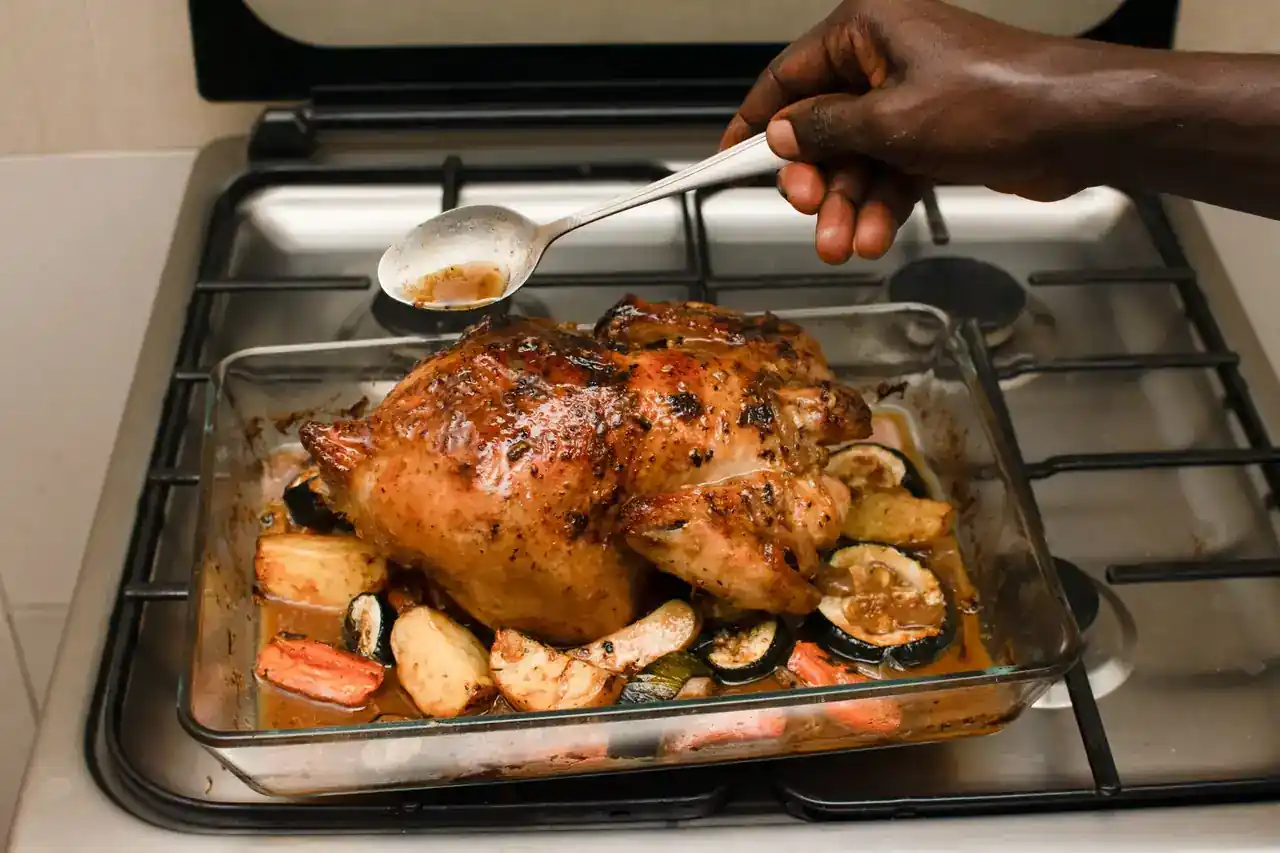
The air-frying oven has earned a rare but useful place in the modern kitchen: it does not fully replace either the classic oven or the basket air fryer, but it combines enough of both to handle everyday meals with less oil and more control. In the case of models like Oster’s 42-liter one, the approach is clear: generous capacity, simple mechanical controls, and convection cooking to brown, roast, bake, and toast without complications.
The opinions that best summarize this type of appliance agree on three points: it cooks quickly for its size, offers reasonable crispy results, and works best when its volume is used for multiple servings or large pieces. It also carries two repeated criticisms: it takes up quite a bit of space and generates heat around it, so it is not a small countertop whim, but a central piece that needs room and a certain discipline of use.
If you have a problem with your oven, you can use our free error code finder. From there you can find out and solve all errors easily and effectively.
What an air-frying oven brings compared to a compact air fryer
The difference starts with size and ends with the way it cooks. While a basket air fryer works with a closed basket and limited portions, the hot air oven opens the door to trays, racks, and larger pieces. A whole chicken, a tray of vegetables, several slices of bread, or a small pizza fit much more naturally than in a classic air fryer. That spaciousness changes the rhythm of cooking: fewer batches, less waiting, and fewer dishes sitting around on the counter.
In a model like the 42-liter Oster, that logic is easier to understand. Its interior offers 30 cm of horizontal space and 16 cm of vertical space, measurements that let you move food around comfortably and use accessories without feeling like everything is cramped. It is not an industrial oven, of course, but it is a fairly generous home solution for families, dinners for several people, or preparations that need a tray and air space around them to brown properly.
The other difference is in texture. An oven like this does not fry in the traditional sense; what it does is move very hot air with the help of convection and, in this case, a specific air-frying function. The result is usually less greasy, with a more toasted exterior and a juicy interior if the timing is respected. It is a way of cooking that is closer to an efficient oven than to true deep-frying, and that is a big part of its appeal.
Capacity, dimensions, and real space in the kitchen
The most sensible opinions about these ovens do not start with recipes, but with the table they will live on. A 42-liter appliance can seem like a bargain in versatility until you measure the available space. In the case of the Oster, its published dimensions are around 60.5 cm deep, 51.2 cm wide, and 38.4 cm high. That places it in the large-appliance category, the kind that needs ventilation and a stable location.
That size makes sense if it is used well. Someone cooking for one or two people may find it oversized, although it will still be useful if they value the interior space for bread, gratins, or large pieces. By contrast, for a household of three, four, or five members, the balance tips more in its favor: fewer batches, more volume, and greater room for complete recipes. What is an obstacle for a small kitchen can be a decisive advantage for a family.
Ergonomics also matter. The French-style doors that open at the same time are more practical than they may seem, because they make it easier to put in and take out trays without wrestling with a single heavy door. In daily use, those small gestures add up. They do not make the oven compact, but they do make it more comfortable, especially when working with hot dishes and quick movements.
Functions that are actually used and those that stay in the background
This type of oven stands out when it does not try to be a futuristic gadget, but a clear ally. Oster’s model concentrates five functions that cover everyday cooking: toast, bake, broil, turbo-convection bake, and air fry. That combination is not decorative. It lets you move from breakfast to dinner without changing appliances, something many users value more than a panel full of buttons that go unused.
The adjustable temperature reaches 230 °C, enough for many preparations that need a firm browning, and the 60-minute timer with automatic shutoff provides basic peace of mind, which is appreciated. You do not have to watch the clock anxiously. The appliance turns itself off when time is up, which reduces mistakes and makes the experience friendlier for people who cook in a hurry or are not very experienced.
In real reviews, the most celebrated functions are the ones that solve day-to-day needs: evenly toasted bread, chicken with browned skin, vegetables with a crispy edge, acceptable frozen fries, and reheated food that does not dry out like it does in some microwaves. Air frying in oven form works especially well when the goal is to recreate a toasted effect without soaking food in oil, not when you are looking for the same flavor as abundant deep-frying.
How it performs in cooking: toasting, broiling, baking, and browning
The first impression usually comes with the toast. In a mechanical appliance like this, with temperature, time, and function controls, the learning curve is short. You select the mode, set the point, and let it work. The bread comes out golden, firm, and quite even, without those burnt spots that sometimes appear in small ovens with poor heat distribution. For quick breakfasts, that consistency matters a lot.
The convection-oven mode deserves special mention. It is not just a marketing label; it is the system that pushes hot air and helps cook more quickly and evenly. In a whole chicken, for example, the difference shows in the skin and the inside. The surface colors without turning the meat dry, as long as the timing is respected and the temperature is not overdone. Juiciness and browning can coexist, and that is exactly what you want.
The air-frying function, in this context, shines especially with frozen foods, thin-cut fries, croquettes, and small pieces that benefit from a steady blast of air. It also handles reheating pizza or already-cooked portions very well, where a conventional oven takes longer and a microwave softens them too much. The result is not identical to a basket air fryer, but it is convincing enough that many people end up using it more than they expected.
What the opinions say about cleaning, materials, and maintenance
One of the most repeated points in positive reviews is how easy it is to clean. The interior has a nonstick coating, a decision that saves both literal and figurative friction. Grease does not cling with the same stubbornness it does on porous or unprotected metal surfaces, so the daily routine does not turn into an endless scraping session.
The unit includes a cooking rack, removable crumb tray, and mesh air-fry basket. That combination covers much of the usual recipe range and also simplifies maintenance. The bottom tray catches residue; the basket can be washed separately; and the interior structure makes it relatively easy to wipe down once the appliance has lost some of its heat. The key is not to let grease build up for days.
That said, easy cleaning does not mean a cool exterior. As with other ovens in this format, the body gets quite hot during use. That requires caution when placing it and leaving open space around it. It should not be placed too close to walls, cords, or plastic items. Good internal cleaning goes hand in hand with responsible installation, because the appliance performs very well, but it also radiates a lot of heat.
Energy use, power, and daily operating cost
In the technical specs, this oven works at 1,700 watts, a serious power level, closer to that of a small efficient oven than to a lightweight mini kitchen appliance. That does not mean uncontrolled consumption. In fact, part of its appeal is that it can reduce cooking times compared with a larger conventional oven, especially for small or medium recipes that do not need to heat a huge cavity.
The useful comparison is not with an isolated number, but with the final result. If a dish takes less time and avoids long preheating, consumption can be reasonable. That is the logic that often appears in favorable reviews: fewer minutes on, less waiting, and less wasted energy. In homes where the classic oven is used for simple tasks, the time savings end up being more visible than the savings of a few cents per cycle.
There is also an indirect advantage. By not relying on abundant oil, food costs become more predictable. This is not about selling a miraculous savings promise, but about noting that cooking with hot air reduces the need to use fat and makes it possible to prepare lighter dishes without sacrificing too much crisp texture. In practice, that shows up over long routines, not in a single meal.
Who this type of appliance makes the most sense for
This format fits best in kitchens where versatility matters more than minimalism. Medium or large families, people who prepare several servings at once, those who want a single appliance for toasting, baking, and browning, and kitchens where the traditional oven is used often for simple tasks usually get a lot out of it. The size stops feeling like a problem when it replaces two appliances in one.
It also suits people who cook in a fairly visual style. The glass door lets you check the progress without opening it constantly, which helps keep the temperature stable and avoid mistakes. For someone who wants to control the process without guessing, that detail matters. Watching food change color as it cooks has something of both classic cooking and modern control, a mix that works.
By contrast, it is not the most logical purchase for very small kitchens, for people who live alone and barely use the oven, or for those who prefer a compact basket air fryer that can be stored easily. The appliance makes more sense when it is used almost daily. If it is going to sit unused in a corner, its size and heat will stop seeming practical and start seeming excessive.
Price, warranty, and signs worth checking before deciding
The market usually places this type of oven in a range that is not entry-level, but mid-to-high within small appliances. In the reference analyzed, the observed price was $5,599, with a suggested list price of $6,196. That makes it a purchase competing on both capacity and convenience, not on being the cheapest option on the shelf.
When the price is in that range, attention should not stay only on the features list. The 30-day return policy, shipping network, ease of claims, and availability of replacement parts or service also matter. For large kitchen appliances, after-sales support weighs much more than it does for a smaller accessory. An oven used daily needs backup if something goes wrong with the door, timer, or heating system.
The additional warranty, when available, makes sense if the appliance is going to see heavy use. Accidental damage protection plans may be of interest in busy households, although they do not always justify the price. The sensible approach is to look at the whole set: capacity, materials, available space, type of use, and support. That handful of variables usually explains a better purchase than any list of enthusiastic opinions.
What the opinions make clear when you read them calmly
The most useful reviews do not talk about perfection. They talk about balance. This oven with hot-air function usually wins people over because it solves a lot with simple logic, without relying on apps or endless learning curves. It cooks visibly, offers enough space, cleans relatively easily, and gives consistent results in everyday tasks. That combination explains why so many users see it as a real improvement over smaller appliances.
It also becomes clear that it is not for everyone. Its size is imposing, its casing gets hot, and its presence is dominant. But that is exactly where its value lies: it does not try to be discreet, but useful. In a kitchen that can accommodate it, it behaves like an honest tool, capable of covering everything from breakfast to dinner with a single operating logic. No miracle formula and no fussy gadget; rather, a large oven with the practical advantage of air circulation.
That is why the strongest opinions tend to point to the same idea: it is worth it when you need space and versatility, and loses appeal when you expect the lightness of a compact air fryer. It works well for people who actually cook, not just for those who want a pretty appliance on the counter. And in that space, the mix of oven, convection, and air frying still makes a lot of sense.
Este artículo contiene enlaces de afiliado: si compras a través de ellos, se genera una pequeña comisión sin coste adicional para ti. Más información.


F37 error on a Balay washing machine: meaning and safe solutions

F26 error on a Balay washing machine: meaning and fix

Balay ceramic hob F2 error: causes and safe solution
F2 error on a Balay washing machine: causes and safe solutions

Balay F2 Error With the Hob Off: Causes and Fixes

F18 error on a Balay washer-dryer: causes and fixes

F11 error on a Balay dryer: meaning and safe solutions

F01 error on a Balay washing machine: meaning and action

F0 error on a Balay cooktop: causes and solutions

Balay F0 error on hobs: causes and safe solutions

 Dishwasher7 days ago
Balay dishwasher E15 error: warranty coverage and solution
- Dishwasher7 days ago
Balay dishwasher E16 error: causes and safe solution
- Balay7 days ago
Balay washing machine E2 error: causes and safe solutions
- Dishwasher7 days ago
E17 error on a Balay dishwasher: causes and safe solution
- Dishwasher7 days ago
Balay dishwasher E19: causes and safe solution
- Balay7 days ago
E19 error in Balay dishwasher: causes and solution
- Appliance4 days ago
Smart appliances for a secure connected home
- Dishwasher7 days ago
E15 Error on Balay Dishwasher: Causes and Safe Solution
- Appliance4 days ago
Electrodomésticos con IA: funciones, límites y compra útil
- Appliance4 days ago
Efficient appliances to save water at home
- Balay6 days ago
E21 error on a Balay washing machine: causes and safe fixes
- Balay7 days ago
E18 error on the Balay TW 7412 washing machine: causes and fix


