Magazine
Best value-for-money A+++ washing machine in 2026: guide and models
Efficient, quiet, and reliable models to make the right choice for a long-lasting purchase without overpaying.

The energy label is no longer read as it was a few years ago, but it still makes the difference between a purchase that eases the bill and one that slowly eats it up every month. In 2026, the best value-for-money A+++ washing machine is not the one that looks the best on the spec sheet, but the one that combines low consumption, solid spin performance, sufficient capacity, and a price that does not punish the family budget.
If you have a problem with your washing machine, you can use our free error code finder. From there, you can find out and solve all errors easily and effectively.
Smart buying no longer comes down to the label, but to the whole package
The old A+++, A++ or A+ nomenclature disappeared from the European label in 2021, replaced by a stricter scale that reorders the market from A to G. Even so, the search for an A+++ washing machine is still alive among users because it sums up a very specific idea: maximum efficiency, minimum spending, and good day-to-day performance. That buying intention makes sense, although today it is better translated into current models with class A or, in some cases, A with additional improvements declared by the manufacturer.
In practice, that means looking beyond the big number on the front. The key is balance: a washing machine that washes well at 30 or 40 degrees, that does not vibrate like a wobbly table, that accepts a reasonable load for your home, and that does not force you to use endless cycles every time. That is where the right appliances separate themselves from the ones that are truly worth the money. And in this segment, the most solid options usually come from Bosch, LG, Samsung, AEG, Hisense, Haier, Candy, Cecotec, Corberó and Beko, with very different proposals from one another.
The prices observed in the Spanish market in 2026 place the best entry-level alternatives between 229 and 329 euros in well-resolved basic ranges, while models with more capacity, better finishes, or smart functions easily move between 400 and 550 euros. Above that figure, you are already getting connectivity, auto-dosing, more sophisticated motors, or premium brands. Paying more does not always pay off; paying better does.
The models that best maintain the balance between price, consumption, and real use
Among the references analyzed, the Aspes AL8202AIDV stands out as the most balanced option for anyone looking for a sensible purchase without complications. It offers 8 kg of capacity, 1200 rpm, an inverter motor, 11 programs, Stop & Go function, and a diamond-finish drum. Its declared efficiency is class A, and the maximum noise level is 72 dB, a reasonable figure for normal household use. It does not aim to be the most advanced, but rather the most well-rounded in cost, features, and simplicity.
The next major contender is the Candy Smart CS 14102DE/1-S, a 10 kg, 1400 rpm machine designed for families or large loads. Its digital display, NFC control, voice assistant, and quick cycles bring real convenience, not gimmicks. In markets where laundry piles up easily, that extra capacity saves time and reduces the need to wash twice a week. In addition, its 81 dB maximum noise level places it in a less discreet zone, but still acceptable for those who prioritize load volume and connectivity.
Also worth mentioning are the Cecotec Bolero Dresscode 7150 Inverter A, with 7 kg, and the Hisense WF1Q9041BW, with 9 kg. The first appeals thanks to its modest price, inverter plus motor, 12 programs, SteamMax vapor, drum cleaning, and child lock. The second moves up a level in capacity and adds 99.9% steam, quick wash plus, automatic wash, and delayed finish. They are two different ways of understanding efficiency: one more austere and compact, the other more versatile for homes with more laundry and a faster pace.
Those looking for greater capacity without jumping into the premium range usually look at the Haier I-Pro Series 1 HW100-BP14929A-S, a 10 kg, 1400 rpm, class A washing machine with an additional 20% declared efficiency, steam, automatic kg detector, and inverter motor. In parallel, the LG F4WR5010A6W and the Samsung WW90DG6U85HHU3 show how far the value-for-money relationship can scale when auto-dosing, artificial intelligence, or microfibre reduction come into play. They are more expensive, yes, but also more complete in homes that wash a lot and leave little room for error.
Which features really matter and which ones only dress up the spec sheet
Capacity remains the first filter. For a single person or a couple, 6 to 7 kg is usually enough; for a household of three or four, the sweet spot is between 8 and 9 kg; and for families with frequent loads, 10 kg or more avoids the bottleneck effect of a basket that is always full. Buying a huge machine for a small home can become expensive in consumption and unprofitable in daily routine, because a half-empty drum does not make good use of either water or energy.
Then comes the motor. The term inverter is no longer new, but it remains one of the most useful buying signals. It reduces vibrations, consumes less, and usually extends service life by working with less friction than conventional motors. It does not work miracles, but it does improve the washing machine’s day-to-day behavior. In models such as Bosch EcoSilence, LG Direct Drive, Haier Direct Motion, or Cecotec Motor Inverter Plus, that detail translates into a less harsh and more stable experience.
The spin cycle deserves attention because it determines how long clothes take to dry afterward. 1200 rpm works well in mid-range models; 1400 rpm already offers faster drying and is especially useful if you dry indoors or use complementary dryers. However, more revolutions do not always mean a better purchase. In delicate fabrics, too much force is like squeezing a ripe fruit: it gives way, but it also leaves a mark.
Steam functions, increasingly common, are useful when hygiene matters or when you want to soften garments and make ironing easier. They do not replace an iron, but they do reduce wrinkles and help with allergens, odors, or frequently used clothing. In models from Hisense, Haier, Samsung, AEG, or Cecotec, steam is already part of the commercial language, although its real effectiveness depends on the specific program and the temperature reached.
Capacity, noise, and consumption: the triangle that rules the home
In a truly good washing machine, silence is not a luxury; it is a way of living together. A model below 72 dB during spinning is usually considered comfortable for a normal home, especially if laundry is done at night or in apartments with thin walls. When decibels rise, the difference is not only felt in the ears: it is also noticeable in floor vibration, the bathroom door, or the feeling of a less refined appliance.
Consumption figures matter more than ever today because electricity is no longer a trivial expense. The new European energy scale favors well-tuned models, but it has also made comparisons more demanding. A class A washing machine can save dozens of euros a year compared with a less efficient one, and over its lifespan that margin multiplies. In a home that washes four or five times a week, that difference is no longer theoretical; it shows up on the bill.
That is why it is worth distrusting an obsession with the lowest price. A very cheap appliance that forces repeat washes, makes more noise, or uses more water ends up being expensive over the months. The true value-for-money washing machine is not the one that costs the least at checkout, but the one that maintains its balance when used from Monday to Sunday, with sports clothes, towels, sheets, and the occasional last-minute emergency load.
What the most popular ranges on the Spanish market offer
Cecotec has gained ground with a very straightforward formula: tight prices, plenty of features, and an aesthetic that does not clash. Its Bolero Dresscode series usually includes 16 programs, steam, drum cleaning, delayed start, child lock, and inverter plus motors. These are washing machines that speak the language of the buyer who wants a lot for little, although on some models the panel and program readability may be less polished than in more established brands.
Hisense has positioned itself very well in the mid-range thanks to practical machines, good quick cycles, and engineering designed for everyday use. The WF1Q9041BW and the WF1Q8041BW2 share a clear approach: automatic washing, hygienic steam, delayed start, and good use of space. They do not dazzle with gimmicks, but they do with balance. For many households, that is worth more than an endless list of extras.
Haier plays a different game. Its I-Pro and X Series models combine quiet motors, load detection, and antibacterial technologies that are attractive in homes where laundry is done often and less manual intervention is desired. The overall feeling is that of a more mature washing machine, with less flashy finishes and more tightly controlled electronics. In the world of household buying, that feels a lot like peace of mind.
Among the more classic brand options, Bosch and AEG remain serious references. Bosch brings reliability, low noise, and clean usability, while AEG often stands out for fabric care and specific programs. They are less spectacular choices on the brochure, but very convincing when looking at the long term. Samsung, for its part, adds AI, auto-dosing, and connectivity in some models that appeal to very digital users. LG, with AI Direct Drive and TurboWash in higher ranges, remains one of the most consistent choices when sophistication is wanted without exaggeration.
Which type of washing machine fits each home best
In small apartments, the choice is often determined by depth and access. Front-load models remain the most recommended because they make better use of space, allow a dryer to be placed on top in some cases, and usually offer more capacity and more programs. If the laundry room is narrow, a compact depth may be worth more than half a kilo of extra capacity. In that case, models such as certain LG, compact Hisense units, or some Corberó and CHiQ machines find their place.
Top-load machines still make sense for those who do not want to bend down or have very narrow spaces. However, in this comparison of real value, they are somewhat left behind because they offer fewer models, fewer high-capacity options, and, generally, more limited integration with other appliances. In return, their ergonomics are excellent for people with reduced mobility or for users who prioritize ease of use over technical versatility.
Washer-dryers also appear frequently in this segment, but they should be treated with caution. They are a practical solution when there is no room for two machines or no clothesline, although their drying capacity is usually lower than their washing capacity and consumption increases. In 2026 they are still useful, but they are not always the best value-for-money purchase if the main goal is to wash well and pay a fair price.
The energy label, now stricter, is still the compass
The old A+++ label disappeared from the European storefront, but the conversation it generated left behind something useful: consumers learned to look at long-term spending. Today, the A-G scale forces more rigorous comparisons, and that has organized the market. A class A washing machine with an inverter motor and efficient programs can be more interesting than an option with more tricks but worse consumption.
In this new stage, efficiency is not decoration. It translates into less energy per cycle, less water in many programs, and better cost forecasting. If a machine is going to last around 10 years, as is usually reasonable for a well-maintained appliance, the difference between a thoughtful purchase and an impulsive one ends up being very visible. Cheap, in large appliances, almost never ends up being cheap in full.
Warranty and after-sales service also need to be considered. Brands like Bosch, LG, or Samsung often offer long motor coverage on some models; others go for lower prices in exchange for less premium support. It is not always highlighted, but it is one of those details you appreciate when something fails and the washing machine stops spinning just on Monday morning. At that point, the purchase price matters less than how easy it is to solve the problem.
The signs of a well-made purchase that show up in the first month
The best purchase is not always recognized when it is unpacked. Sometimes it becomes clear after a few weeks, when the washing machine fits into the routine without demanding attention. A good model saves steps, it does not multiply them. It has a clear display, programs that are actually used, a load that does not force repeat cycles, and a noise level that does not take over the house. That discretion is the most elegant form of efficiency.
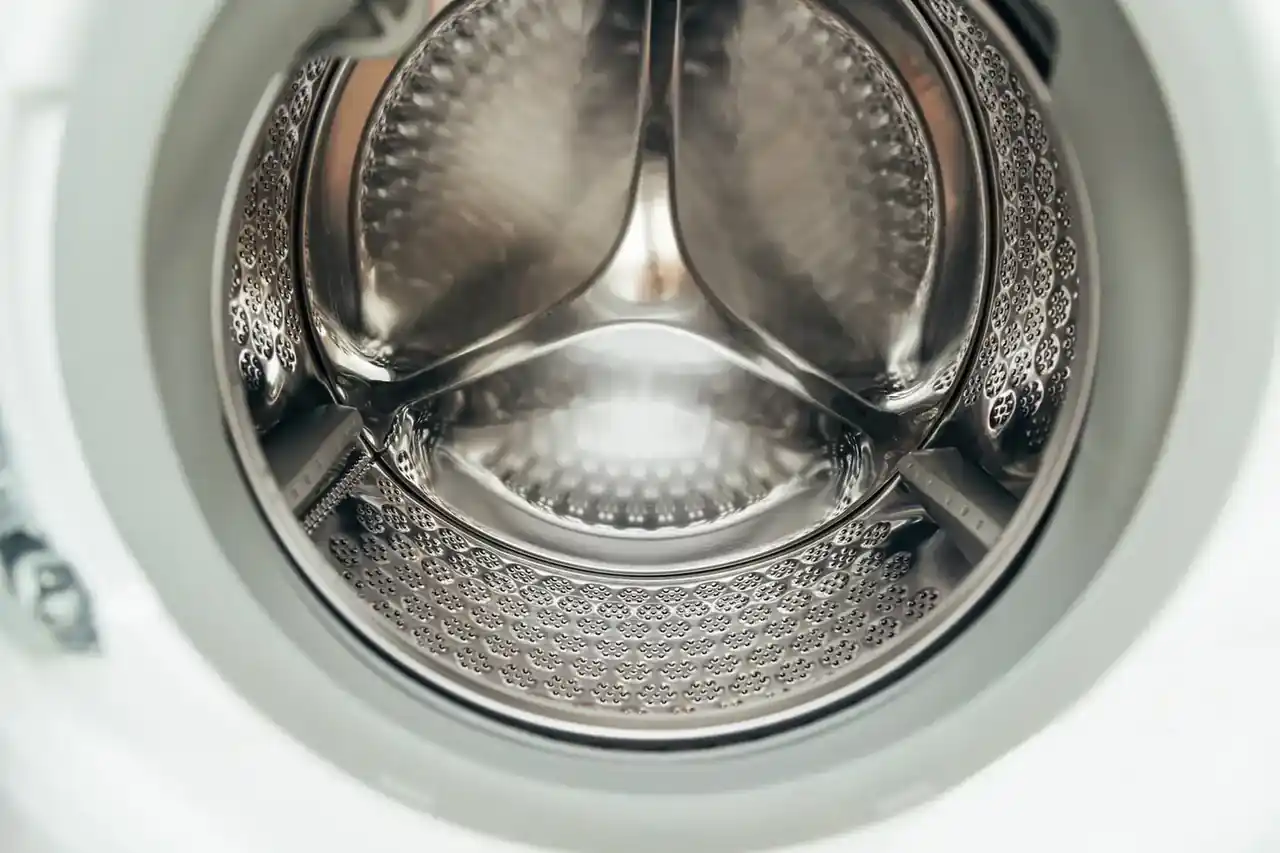
You can also see it in the clothes. A well-chosen machine treats fibers better, leaves less residual moisture, reduces wrinkles, and avoids that stale indoor smell that appears in poor or badly ventilated models. Even the drum matters: a gentler design, with suitable relief or well-calibrated movements, allows garments to glide without damage. It is a small difference, but accumulated over hundreds of washes it becomes domestic quality.
In the 2026 market, the best value-for-money A+++ washing machine is no longer a fixed label, but a family of models that share the same logic: modest consumption, efficient motor, sufficient capacity, and a justified price. That is where 8 to 10 kg washing machines lead, with a high energy class, 1200 or 1400 rpm spin cycles, and truly useful functions. Everything else is catalog noise. The right purchase, by contrast, shows up on the bill, in the silence, and in the calm with which the laundry comes out clean, time after time.
Este artículo contiene enlaces de afiliado: si compras a través de ellos, se genera una pequeña comisión sin coste adicional para ti. Más información.


E17 error in the Balay 3TS60107 washer: causes and fix

Balay washing machine E93 error: causes and safe solution
E9 error on a Balay induction hob: causes and solution
E9 error on a Balay induction hob: causes and solution

Balay E9 error on a freezer: causes and solution

E80 error on a Balay washing machine: meaning and solution

Balay washing machine E80 error: meaning and what to do

E80 Error in Balay Ovens: Safe Causes and Solutions

E63 error on a Balay dryer: causes and safe solutions
E63 error on a Balay washing machine: causes and safe fixes

 Kitchen plate7 days ago
E Error on Balay Series 900 Hob: Causes and Solutions
- Balay6 days ago
E05-32 error on a Balay oven: causes and safe solution
- Kitchen plate7 days ago
Balay induction hob E error: causes and solutions
- Balay5 days ago
E09 error in Balay dishwasher: causes and safe solution
- Balay7 days ago
E61 error on a Balay washing machine: causes and safe fix
- Washing machine6 days ago
Hotpoint washing machine F09 error: what it means and what to do
- Dishwasher5 days ago
E09 error in Balay dishwashers: causes and safe solution
- Balay7 days ago
Error E on a Balay hob: what it means and what to do
- Dishwasher5 days ago
E15 error on Balay dishwasher: do not tilt it
- Dishwasher4 days ago
Balay dishwasher E15 error: warranty coverage and solution
- Balay5 days ago
Balay washing machine E12 error: causes and safe solution
- Balay5 days ago
E09 error in Balay dishwasher 3VS503IA: causes and fix