Magazine
Air cools little in the afternoon: the typical summer failure at home
The afternoon heat brings to light problems of use, dirt, and low capacity. That is how the source is identified and corrected.

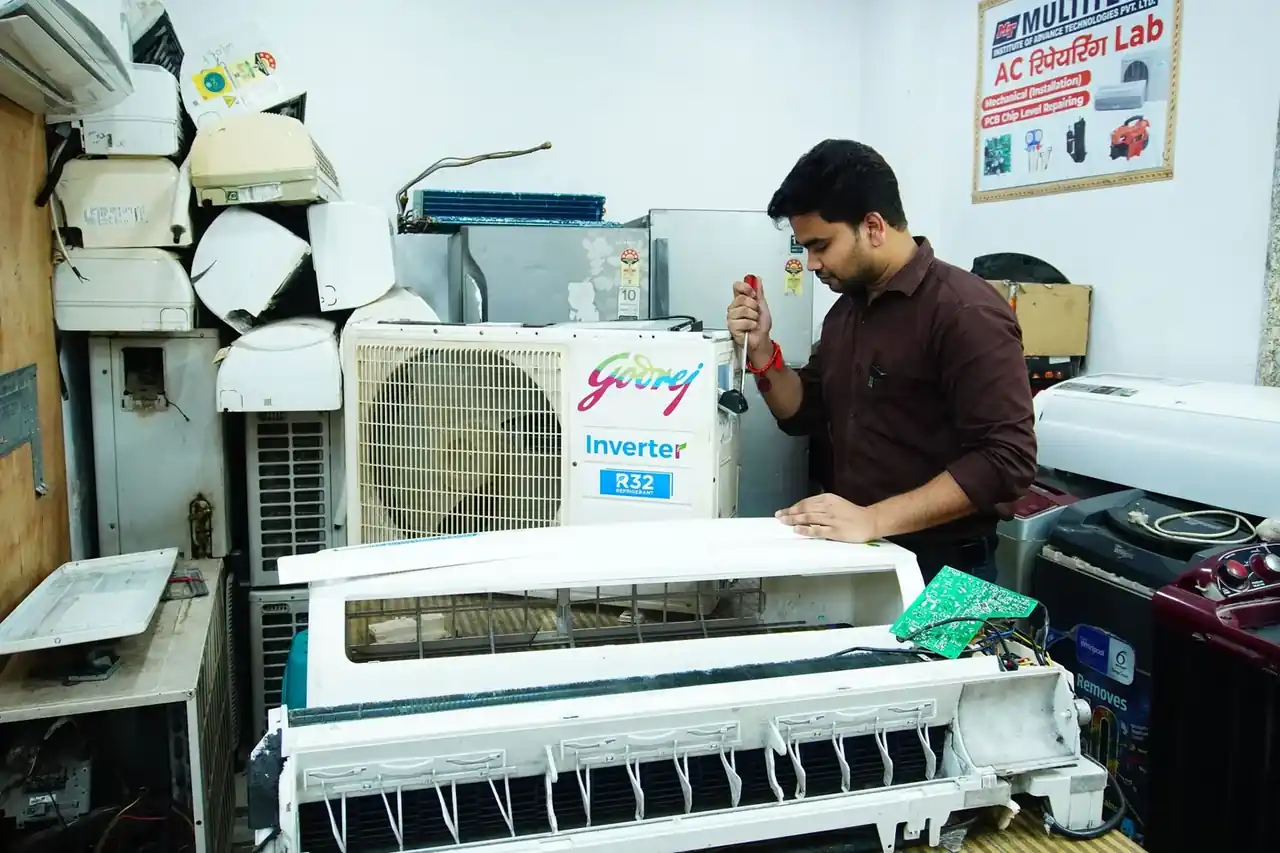
In the afternoon, the air conditioner is under extra pressure: the sun stores heat in walls, glass, and ceilings, the outdoor temperature rises, and the home turns into a kind of oven that sends energy back indoors. That is why a unit that seemed to perform well in the morning can fall short later in the day, when the thermal contrast is greater and every maintenance mistake matters more. At that point, the problem is not always a serious breakdown; often it is a sum of small details that become visible just when cooling is needed most.
If you have a problem with your air conditioner, you can use our free error code finder. From there, you can identify and solve all errors easily and effectively.
When the heat is relentless at the end of the day, the unit reveals its limits
Afternoon is the real test of any climate control system: it is no longer enough to lower the room temperature by a few degrees; you have to offset the heat accumulated over hours, the entry of hot air through gaps, and the direct radiation from facades, blinds, and windows. A split system or heat pump can operate without a breakdown and still fall short of expectations when demand suddenly rises. That behavior is often mistaken for a technical fault, but in many homes it is due to a mismatch between thermal load, equipment condition, and usage habits.
The most common symptom is very easy to recognize: the unit blows, the fan sounds normal, and yet the room still feels heavy, warm, or even stuffy. In other cases, the system cools when it starts up and then loses strength, as if it were running out of steam. This afternoon drop in performance is typical when there are dirty filters, condensers worn down by dust, a poorly set temperature, or an outdoor unit trapped by hot air. In summer, the difference between working and performing becomes enormous.
Something less visible also plays a role: the time of day changes the operating conditions. At five or six in the afternoon, the outdoor environment can be much hotter than at midday in certain facade orientations, and if the outdoor unit cannot expel that heat properly, the cycle loses efficiency. The result is a sensation of uneven, almost unpredictable cooling that gets worse the more you keep adjusting the remote.
Dirt and maintenance matter more when the machine is working at its limit
Filters are the first barrier and also the first source of problems: when they are covered in dust, pollen, or grease, airflow drops and the indoor heat exchanger stops absorbing heat normally. In the morning, that loss may go unnoticed; in the afternoon, with the room reheated, the margin disappears. The unit is still on, but it moves less air and takes much longer to bring the temperature down. Sometimes you may even notice a stale or damp smell, a sign that the interior needs a thorough cleaning.
The indoor unit also suffers. The evaporator, which is the part responsible for extracting heat from the room air, accumulates fine dirt with prolonged use. That layer acts like a coat, the exact opposite of what the system needs. When this happens, the air comes out less cold and energy consumption rises without improving comfort. In systems that are several years old, the difference between a simple filter wash and a deep internal cleaning can be the line between an acceptable unit and a sluggish one.
The outdoor unit deserves the same attention. If it is surrounded by leaves, fluff, dust, or installed in a space without ventilation, the expelled heat does not dissipate quickly. Climate control does not only cool indoors; it also needs to breathe outdoors. In the afternoon, with the outside already very hot, any obstacle reduces heat exchange even further. That effect is especially noticeable on enclosed terraces, narrow patios, and facades that receive direct sun for hours.
A unit that cools poorly in the afternoon is often asking for a usage check
The remote control settings may seem like a minor detail, but they completely change how the system behaves: it is not uncommon to find units in fan mode, automatic scheduling, or with a target temperature that is too high for the actual heat level in the home. If the setpoint is 26 or 27 degrees and the room has reached 30 by the end of the day, the unit may seem slow when in fact it is obeying a weak demand. It is also worth checking that the airflow is not being directed ineffectively, for example toward a wall or an empty area.
The thermostat and temperature sensor have more influence than they seem. If the probe measures incorrectly, is displaced, or receives cold air directly, the system thinks the room is already comfortable and reduces compressor operation too early. That explains why some units seem to provide cool air for a few minutes and then fall short, especially when the afternoon thermal load requires a sustained response. The fault is not always in the cold production; sometimes it is in the room reading.
There is also a very common domestic cause: the home loses cool air as fast as the unit produces it. Poorly sealed windows, raised blinds, light curtains, and open doors turn the system’s effort into an uphill battle. In the afternoon, the sun hits the glass harder and the building’s thermal inertia increases. If the air conditioner cools poorly at that time, the problem may lie less with the machine than with everything around it.
The unit’s real capacity shows precisely when the home accumulates heat
An undersized unit may seem fine in short tests and fail by the end of the day: during the morning or at dusk, a machine with just enough power may keep the room comfortable; in the afternoon, when the space has been storing heat for hours, that same power falls short. There is no trick or adjustment that can compensate for an installation designed for fewer square meters, a worse orientation, or more thermal load than it can handle. In these cases, the symptom is not a breakdown but a structural limitation.
Capacity must match the size of the room, ceiling height, orientation, and insulation level. A small shaded bedroom does not require the same as a living room with west-facing windows. When the gap between demand and capacity is too wide, the unit works nonstop and still cannot stabilize the room. That situation worsens in the afternoon, when the home has stored heat like a stone in the sun.
Age also matters. A system installed more than ten years ago may still work, but it will no longer respond like a modern one. Current technology regulates compressor speed better and adapts cooling output to real demand, avoiding many ups and downs. In older units, any small amount of dirt, leakage, or lack of ventilation translates more quickly into a loss of performance. That is why a unit that cools poorly at the end of the day is not always broken; sometimes it is simply outmatched by the conditions and by the passage of time.
The outdoor unit suffers more at dusk than is usually imagined
The condenser and the outdoor fan are crucial parts for expelling the heat collected inside the home: if the outdoor unit is dirty, poorly located, or receives reheated air from its surroundings, the system loses heat-exchange capacity. In practice, that means the cool air takes longer to arrive or becomes inconsistent. Afternoon hours are especially harsh because the environment is already loaded with heat and the unit does not have as much margin to dissipate it.
An outdoor unit that expels hot air poorly can work like an engine with the radiator blocked. The compressor keeps pushing, but the energy builds up where it should not. When that happens, the unit may enter thermal protection, reduce performance, or shut off the compressor for short periods. From inside, it seems like it is cooling poorly, but in reality the system is protecting itself.
The symptoms often point in the same direction: louder-than-usual noise, lukewarm air from the indoor outlet, short cycles, or a feeling that the system is struggling. If the outdoor unit is also in the sun during the hottest hours or pressed against a wall that stores heat, afternoon becomes its worst scenario. Good placement not only prevents breakdowns; it also visibly improves daily performance.
When refrigerant is low, the problem shows first in the most demanding hours
A refrigerant leak is not fixed with guesswork or blind refills: the circuit must be sealed, and if it loses gas, cooling capacity drops progressively. In the morning, everything may seem to be working reasonably well, but by afternoon the system no longer has enough margin to absorb so much heat. The result is less cold air, longer wait times, and a compressor that works without reaching the target.
One of the clearest signs is the presence of ice or frost on the pipe or in the indoor unit, although it does not always appear. You may also notice that the unit runs for longer without stopping, or that electricity consumption spikes. Refilling without repairing the leak only delays the problem, because the refrigerant will escape again. In a properly installed unit, the gas should never run out through normal use.
It must be said clearly: handling refrigerant gases requires training and proper tools. Locating the leak, repairing the damaged point, evacuating the circuit, and charging it correctly are all part of the same process. If one of those steps is skipped, the result is usually an incomplete repair that fails again when the system faces the hardest afternoon of summer.
The compressor and electronics make the difference when everything else is fine
The compressor is the heart of the circuit and the electronic board acts as its brain: if one of the two fails, the unit may turn on but lose real cooling capacity. In those cases, air blows, the display responds, and the fan moves, but the system does not sustain cooling production. At first glance it seems like a confusing fault; in reality, there is often a clear clue in the unit’s irregular behavior.
Compressor problems are often accompanied by unusual noises, failed starts, or shutdowns due to protection. In electronics, the symptoms are usually more erratic: too-short cycles, delayed responses, commands that are not executed, or intermittent errors. In the afternoon, when the unit has already accumulated hours of work and the outdoor temperature is higher, these weaknesses surface more easily.
In older systems, a well-done technical inspection helps separate normal wear from what is no longer worth repairing. Not every unit deserves the same investment. A system that has lost performance due to lack of cleaning may be recovered with a simple intervention; another with a damaged compressor, compromised board, and advanced age may require a colder decision, in the literal and economic sense.
A useful diagnosis starts by looking at the environment, not just the unit
The correct reading of the problem starts not at the remote control, but in the entire room: open blinds, poorly closed windows, appliances emitting heat, a west-facing orientation that gets hit at dusk, and an outdoor unit exposed to the sun all form a very unfavorable combination. Before thinking about a major breakdown, it is worth observing whether the unit is fighting an excessive thermal load that becomes almost visible in the afternoon.
In a proper diagnosis, order matters. First, check whether the air comes out strongly, whether the filter is clean, whether the settings are correct, and whether the outdoor unit can work without obstacles. Then look for ice, noise, strange smells, or premature shutdowns. That sequence saves time and prevents the wrong component from being blamed. A good diagnosis does not guess; it compares symptoms.
What usually reveals the real cause is persistence. If the unit cools poorly only in the afternoon but maintains some level of performance at other times, the system may be underpowered, poorly ventilated, or have a limitation that only appears when the home accumulates heat. If it fails all day, the scenario changes and points more toward severe dirt, a refrigerant leak, or an internal fault. The time when the problem appears is not a detail: it is a clue.
What usually really works to recover afternoon performance
The most effective solution is almost never just one thing, but a combination of coherent fixes: filter cleaning, heat exchanger inspection, outdoor unit checking, temperature adjustment, and evaluation of the room’s actual load. When the unit regains airflow and heat can escape without obstruction, the improvement is usually noticeable right away. In many homes, that basic intervention restores much of the lost comfort without the need for major changes.
If the cause lies in the installation, the solution is to correct the imbalance. It may involve a poorly placed outdoor unit, insufficient power, or an enclosure that is too weak for the amount of sun the home receives. In other cases, the system needs a more technical tune-up: detecting a leak, repairing a damaged capacitor, replacing a sensor, or checking the compressor. Each symptom calls for a different response, and treating everything as if it were dirt often leaves the problem unchanged.
The key is not to normalize the loss of performance. A unit that cools poorly in the afternoon is warning that it is working under difficult conditions, and those conditions do not improve by keeping the remote on longer. Useful cooling depends on a balanced circuit, a home reasonably protected from heat, and a machine capable of dissipating energy without choking. When one of those three pillars fails, afternoon becomes the moment when everything is exposed.
The value of detecting the fault before summer makes it worse
An air conditioner that loses strength by the end of the day is not only uncomfortable: it also consumes more and ages faster. Every extra minute spent trying to compensate for an underlying problem increases the load on the compressor, dirties the circuit further, and raises the electricity bill. That is why it is worth looking at the symptom precisely and not as a passing annoyance. What today seems like a simple loss of freshness can become a more expensive breakdown when the unit enters summer without any room to maneuver.
Experience shows a very clear pattern: afternoon heat does not create the faults, it only makes them visible. If the system is clean, properly sized, and correctly installed, the unit can handle that critical period much better. If it is not, the drop in performance becomes inevitable. Climate control is won in the details: cleaning, outdoor ventilation, settings, and an honest reading of the unit’s real capacity.
When the unit falls short precisely as the sun begins to ease off, the problem deserves a full look. It is not always a serious breakdown, but it is almost never a coincidence. Behind it there is usually a recognizable story: dirt, accumulated heat, poor placement, an incorrect setting, or a leak that should not be there. And understanding that story is, in practice, the fastest way back to a livable interior when the afternoon really turns hot.
Este artículo contiene enlaces de afiliado: si compras a través de ellos, se genera una pequeña comisión sin coste adicional para ti. Más información.


Balay washing machine E93 error: causes and safe solution
E9 error on a Balay induction hob: causes and solution
E9 error on a Balay induction hob: causes and solution

Balay E9 error on a freezer: causes and solution

E80 error on a Balay washing machine: meaning and solution

Balay washing machine E80 error: meaning and what to do

E80 Error in Balay Ovens: Safe Causes and Solutions

E63 error on a Balay dryer: causes and safe solutions
E63 error on a Balay washing machine: causes and safe fixes

Balay washing machine E61 error: meaning and what to do

 Kitchen plate7 days ago
E Error on Balay Series 900 Hob: Causes and Solutions
- Dishwasher7 days ago
E25 error in Balay dishwasher: causes and solutions
- Kitchen plate7 days ago
Balay induction hob E error: causes and solutions
- Balay6 days ago
E05-32 error on a Balay oven: causes and safe solution
- Washing machine6 days ago
Hotpoint washing machine F09 error: what it means and what to do
- Balay5 days ago
E09 error in Balay dishwasher: causes and safe solution
- Balay7 days ago
E61 error on a Balay washing machine: causes and safe fix
- Dishwasher5 days ago
E15 error on Balay dishwasher: do not tilt it
- Dishwasher5 days ago
E09 error in Balay dishwashers: causes and safe solution
- Balay7 days ago
Error E on a Balay hob: what it means and what to do
- Dishwasher4 days ago
Balay dishwasher E15 error: warranty coverage and solution
- Balay5 days ago
Balay washing machine E12 error: causes and safe solution