
Connect with us

The warning usually indicates a faulty or shorted outdoor probe. This is what it means and how to act.
The fault points to the outdoor coil sensor. This is how it is identified, checked, and corrected using technical criteria.
The fault points to the external discharge sensor. Basic check, real causes, and when the probe needs to be replaced.
The F5 warning usually indicates a failure in the outdoor fan and its control. These are its causes and the correct diagnosis.
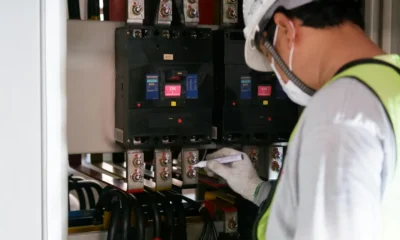

Identify the source of the fault, distinguish a breakdown from a leak, and avoid risks at home with clear criteria.
The alert indicates overcurrent in the IPM module and requires checking the compressor, circuit board, and refrigerant.
The P2 warning usually indicates compressor overheating and requires checking ventilation, refrigerant charge, and the outdoor unit.
A communication failure between units usually points to wiring, the circuit board, or power supply. This is how to identify it and act.
The E2 fault usually indicates a defective T1 sensor or an altered internal communication. This is how it is identified with certainty.
The E4 code on Kaysun usually indicates a fault in the outdoor sensor T2B or its wiring, with clear clues to check.
The E7 code usually indicates a fault in the EEPROM memory and requires a precise technical inspection to avoid further damage.
The alert indicates a fault in the indoor fan control and may require technical inspection.