Ceramic hob
How to unlock the ceramic cooktop without damaging the panel
Clear steps to regain control of the panel, understand the lockout, and avoid common mistakes.

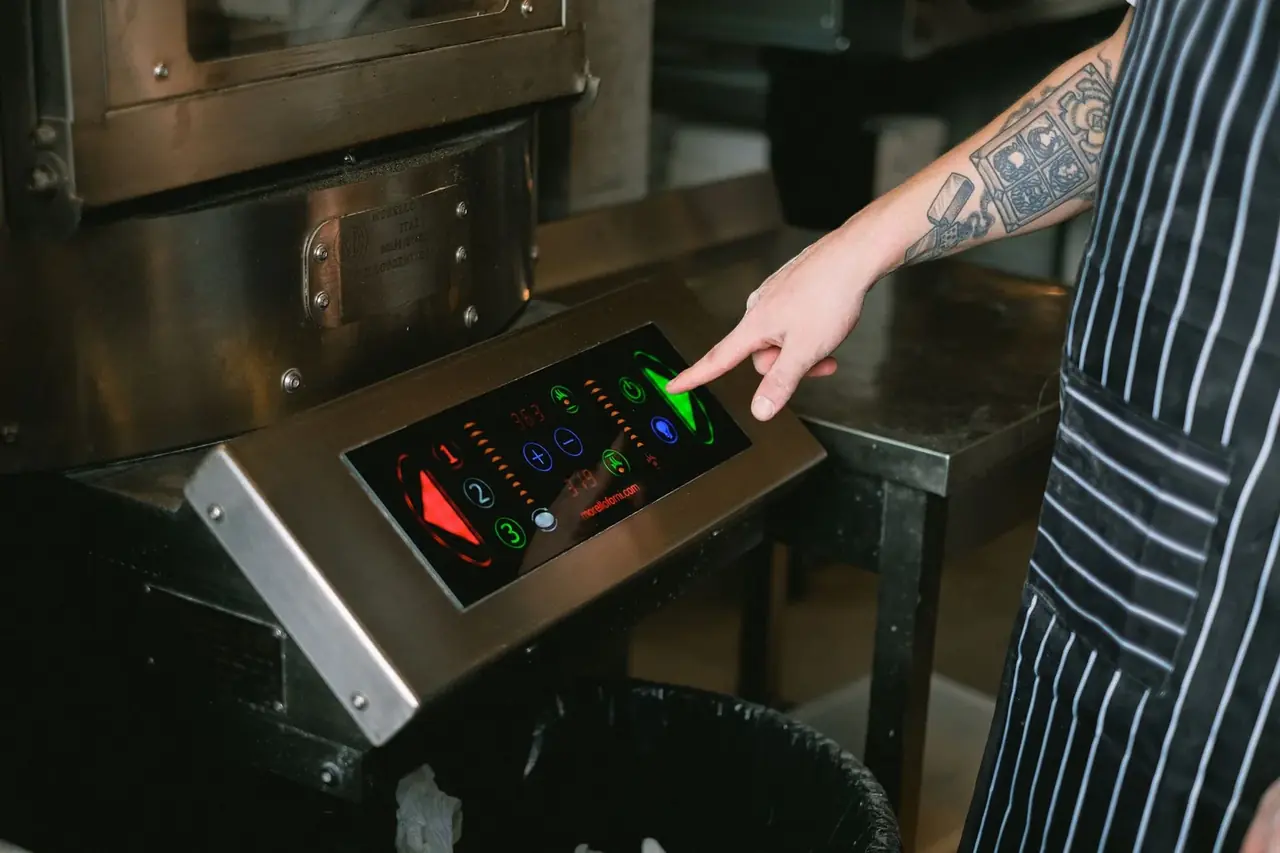
The ceramic hob usually locks for safety when the child lock, cleaning lock, or an automatic touch panel function is activated. On most models, unlocking is done by pressing the key, lock, or lock button symbol for a few seconds, although some hobs combine that gesture with a different sequence depending on the brand. If the panel does not respond, the problem is not always a serious fault: sometimes it is enough to wait a few seconds, dry the surface, or reset the hob by cutting the power.
The key is to distinguish a normal lock from a fault. A lighted warning, a letter on the display, or a brief beep usually indicate that the hob is protected and not damaged. By contrast, if the touch controls still do not react after trying the basic unlocking method, it is worth considering dirt, moisture, an accidental long press, or an electronic failure. Understanding that difference saves time and avoids unnecessary actions on a sensitive appliance.
If you have a problem with your ceramic hob, you can use our free error code finder. From there, you can quickly and effectively identify and solve all errors.
The lock is not a whim: it protects the kitchen and the panel
The safety lock was created to reduce accidents in increasingly touch-sensitive domestic kitchens. A smooth surface, with no physical buttons, responds to brushes, drops, and accidental contact as quickly as it would to an intentional press. That is why manufacturers include systems that prevent accidental changes to power or activation. In homes with children, that function avoids scares; in busy kitchens, it protects cooking when someone cleans or passes a cloth over the panel.
There is also a practical logic that goes beyond child safety. Locking during cleaning prevents the panel from interpreting a damp cloth as a command. That detail, as ordinary as wiping away a sauce stain, can trigger beeps, turn off zones, or change the power level. On modern hobs, the temporary lock usually lasts about 30 seconds and allows cleaning without interrupting cooking. It is a simple, almost invisible solution, but very useful in a real kitchen, with steam, splashes, and haste.
The panel’s behavior changes depending on the manufacturer, although the general logic is the same. Some hobs show a fixed key symbol, others a padlock, others the letter L, and some a hand or temporary lock icon. The symbol matters as much as the model, because it usually indicates which function is active and how long it will take to disappear. Before insisting with long presses or power cuts, it is worth looking carefully at the display: often the answer is already drawn right there.
How to unlock a touch hob in practice
The most common action is to keep the lock icon pressed for between 3 and 5 seconds. On many hobs, that is enough for the indicator light to turn off or for an audible confirmation signal to sound. On others, the panel first requires touching the main power button and then the key symbol. There is no need to force anything: the touch should be firm, steady, and clean, without dragging the finger or touching several sensors at once.
When the lock is temporary, the hob itself usually alerts you with a sound when it is activated and another when the panel is released. That beep is not an error, but confirmation that the system has done its job. If the screen keeps the key lit but the zones remain off, unlocking has not yet been completed. And if the hob emits a signal but locks again immediately, an automatic safety function may be active that requires checking the basic settings.
There is a detail that is often overlooked: the hob must be in the proper condition to accept unlocking. If the glass is very hot, wet, or covered with residue, some models react cautiously. A spill of water, milk, or grease over the control area can confuse the sensor. Drying the area well, waiting a few seconds, and pressing again is usually enough. It is a simple procedure, but it works better than it seems when the problem is tactile rather than technical.
Signs that indicate why the panel is not responding
A lit key does not always mean child lock. On some hobs, that icon indicates the cleaning lock; on others, an automatic protection after a recent shutdown; and on specific models, a permanent lock function activated from the settings menu. The first clue is the way the warning appears. If the hob locks when it is turned on, the lock may be set to activate by default every time the power is cut. If the key appears during cooking, it is probably an accidental lock or a long press.
There is also a very clear clue: the panel emits sound but does not accept commands. This behavior usually occurs when the surface detects moisture, recent cleaning, or an incomplete command. Touch panels work through a very precise kind of electrical conversation; if the panel senses interference, it protects itself. Sometimes it is enough to remove a nearby pot, dry the area, or disconnect the power for a few minutes for the system to stabilize. It is not uncommon for an apparent lock to actually be the unit’s own defensive response.
On other occasions, the symptom is different and more elusive. The hob turns on, but none of the zones heat up; or the indicators light up and then turn off by themselves. At that point we are no longer talking about a pure lock, but about a possible power supply, sensor, or electronics issue. Before thinking about a repair, it is worth checking whether the error code appears on the display. That information, when available, is usually the most valuable clue for separating an activated lock from an internal problem.
Temporary locks, child safety locks, and automatic alerts
Not all locks serve the same purpose. The child lock is usually permanent or semi-permanent and requires a long press to activate and deactivate. The cleaning lock, by contrast, is brief and leaves the controls disabled only while the surface is being cleaned. Finally, the automatic shutoff responds to an energy-safety issue: if a zone remains active for too long without changes, the hob turns itself off to prevent risks and oversights.
That distinction makes a big difference in daily use. A cleaning function may sound like a complete lock, but in reality it is meant to last barely half a minute. The child lock, by contrast, does cut off control completely until it is deactivated. On some models, the visual cue is a fixed key symbol; on others, an L that resembles a logical padlock. Each manufacturer refines the symbols with its own interface, but the purpose is the same: prevent an accidental command at the worst possible moment.
Automatic shutoff also deserves attention because it is often confused with a fault. If a zone turns off by itself after staying at the same level for a long time, the hob is not locked: it is applying thermal or safety protection. On certain ranges, depending on power, that shutoff can happen after several hours of continuous use. It is a safety net to prevent overheating and unnecessary consumption, not a defect in the appliance.
What to do when the basic unlock does not work
The first sensible step is to cut the power for a few minutes. A simple reset, by unplugging the hob or lowering the circuit breaker in the electrical panel, can clear an erratic temporary state in the panel. Then, when it is connected again, the system starts up anew and many false alarms disappear. This maneuver is especially useful when the hob has frozen after cleaning, a spill, or a power outage.
If the panel still does not respond, it is worth checking the surface calmly. A damp edge, sugar residue that has hardened, or dry grease around the sensors can prevent the touch from being registered properly. The electronics in these hobs are very delicate: they work with an extremely sensitive contact layer, almost as if they were listening to the skin and moisture at the same time. A soft, dry, clean cloth is usually a better ally than persistence. No scouring pads, harsh products, or tapping on the glass.
When the lock keeps recurring without anyone activating it, the suspicion shifts. There may be a fault in the touch sensor, a problem in the electronic board, or an anomaly in the power supply. At that point, forcing sequences no longer helps. The appliance may need technical inspection, especially if the lock symbol appears on its own, flashes, or is accompanied by constant beeping. The more erratic the response, the more likely the problem is in the hob itself and not in its use.
The brand reference helps, but it does not replace observation
Each manufacturer organizes the panel in its own way, although many hobs share a very similar logic. Some brands place the key near the main button; others separate the lock from the rest of the controls; others integrate the function into basic settings menus. That is why two seemingly similar hobs can behave differently. It is not enough to know the brand name: the exact model, the control type, and the locking system are what really matter.
Newer models often combine several layers of protection. The same unit may include child lock, temporary cleaning lock, and automatic shutoff. This design improves safety, but it can also confuse anyone who does not use it every day. The screen does not always explain in words what is happening; it does so with symbols, sounds, and lights. Reading those signs is almost a small domestic language, one learned by observation. That is why, when a hob seems capricious, the useful first step is often to look calmly before touching it again.
Some brands also add auxiliary functions to reduce errors in very active kitchens. In some cases, the lock activates when the hob is turned off; in others, it remains stored as a preferred setting. That behavior is intentional and seeks to prevent a child, a sleeve, or a cloth from turning the hob on accidentally. What is sometimes interpreted as a problem is, in reality, a design decision. Safety here is not hidden: it is imposed with factory logic.
How to avoid repeated locks in everyday use
Prevention starts with a more orderly cleaning routine. Before wiping the surface, it is worth checking whether the hob is off and whether the temporary lock is active. Cleaning with the panel at rest, but without leaving accumulated moisture, reduces later scares. The combination of steam, drops, and quick movements is what most often triggers accidental presses. A cloth that is too wet is almost an extra finger on the panel.
It also helps to become familiar with the exact position of the controls. On a touch hob, precision matters. Resting the palm or brushing several sensors at once can cause strange responses, from a beep to a power change. Over time, use becomes almost intuitive, but at first it is worth noting where each icon is: power, lock, plus, minus, and zone selection. That visual reading avoids misunderstandings and makes the hob behave as expected.
In homes with small children or older adults, leaving the child lock active regularly can be a sensible measure. The goal is not to turn the kitchen into a fortress, but to reduce the risk of accidental activation and unintended handling. The hob remains useful, but with an additional barrier that protects at the most vulnerable moment: when no one is looking and a simple touch could be enough to switch it on. Used properly, that barrier brings peace of mind without making the routine too complicated.
When the problem is no longer the lock and it is time to inspect the hob
If the symbol disappears but the hob still does not work, the issue may go beyond the lock. The hob may be receiving power and yet not heating due to a fault in the cooking zone, the electronic module, or pan detection, in the case of induction hobs. There may also be an intermittent touch-keyboard failure that makes the user think everything is locked when, in reality, part of the system is not recognizing commands.
A clear warning sign is the constant repetition of the problem. If the lock comes back every day for no apparent reason, if the display shows strange alerts, or if the hob responds only partially, the cause no longer seems accidental. In that scenario, technical inspection becomes more important than trial and error. It is not the same to release a key as to repair a sensor worn out by heat, moisture, or continuous use. The difference may seem subtle, but it completely changes the solution.
Improvised disassembly is not a good idea either. The glass, frame, and touch panel are integrated into a delicate assembly, and opening it without experience can worsen the damage. A modern hob is a precise piece of equipment, designed to last, but not to be tampered with blindly. If the lock is accompanied by a burning smell, sparks, persistent error codes, or sudden shutdowns, the diagnosis needs to go in another direction. In those cases, the issue is no longer learning how to unlock it, but understanding which part of the system is failing.
A small function that says a lot about how we cook today
The ceramic hob lock sums up contemporary cooking well: clean, tactile, fast, and at the same time dependent on electronics. A brief gesture can activate a useful barrier; another, just as brief, can deactivate it. That apparent fragility is actually a strength when everything works as it should. The hob protects without making a sound, prevents mistakes, and allows more controlled cooking, but it requires you to know its symbols and respect its language.
In everyday life, mastering that small ritual brings peace of mind. It is not a complicated technique or a workshop operation; it is more a careful reading of the panel, a way of living with the appliance without fighting it. When the symbol is understood, the kitchen becomes more predictable. And when it is not, the difference between insisting and stopping in time often marks the line between a passing annoyance and a real fault. That is, in the end, the practical value of knowing how to act when faced with a lock: regaining control without turning a precaution into a bigger problem.
Este artículo contiene enlaces de afiliado: si compras a través de ellos, se genera una pequeña comisión sin coste adicional para ti. Más información.


E17 error in the Balay 3TS60107 washer: causes and fix

Balay washing machine E93 error: causes and safe solution
E9 error on a Balay induction hob: causes and solution
E9 error on a Balay induction hob: causes and solution

Balay E9 error on a freezer: causes and solution

E80 error on a Balay washing machine: meaning and solution

Balay washing machine E80 error: meaning and what to do

E80 Error in Balay Ovens: Safe Causes and Solutions

E63 error on a Balay dryer: causes and safe solutions
E63 error on a Balay washing machine: causes and safe fixes

 Kitchen plate7 days ago
E Error on Balay Series 900 Hob: Causes and Solutions
- Balay6 days ago
E05-32 error on a Balay oven: causes and safe solution
- Kitchen plate7 days ago
Balay induction hob E error: causes and solutions
- Washing machine6 days ago
Hotpoint washing machine F09 error: what it means and what to do
- Balay5 days ago
E09 error in Balay dishwasher: causes and safe solution
- Balay7 days ago
E61 error on a Balay washing machine: causes and safe fix
- Balay7 days ago
Error E on a Balay hob: what it means and what to do
- Dishwasher5 days ago
E15 error on Balay dishwasher: do not tilt it
- Dishwasher5 days ago
E09 error in Balay dishwashers: causes and safe solution
- Balay5 days ago
Balay washing machine E12 error: causes and safe solution
- Dishwasher4 days ago
Balay dishwasher E15 error: warranty coverage and solution
- Dishwasher5 days ago
E11 error in Balay dishwashers: causes and solutions