
Connect with us


Heat accelerates odors in the kitchen. These are the real causes, the cleaning that works, and how to stop it at the source.


Condensation is usually normal, but it can also indicate a clogged drain, a poorly sealed door, or excess humidity.


Exterior condensation is not always a fault: here’s how to tell what’s normal from a breakdown and what to check first.


Water under the refrigerator drawers: signs, causes, and useful checks to resolve it without damaging the appliance.


Identify the source of the frost, correct the fault, and prevent further consumption, breakdowns, and loss of cooling.
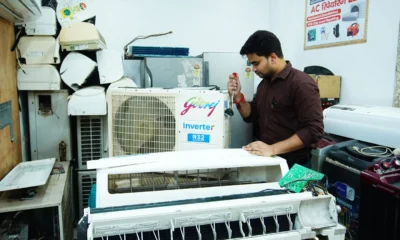

Detecting a fault early avoids more consumption and major breakdowns in the refrigerator. These are the most common causes.


Heat can affect the refrigerator’s performance without there being a serious fault. Here are the keys to recognizing it and correcting it.


Heat can expose leaks, hidden ice, and ventilation problems that slow the cold.


Checking filters, ventilation, and startup prevents odors, breakdowns, and unnecessary consumption when using it again after a long shutdown.


What does this function do, when is it convenient to use it, and what does the Cl code on the indoor unit indicate?


Adjust the climate according to the room's actual feel and help use less energy.


Failures of the control, sensors, board, or valve can leave the unit locked. Key points to detect the source and act.